
In the high-stakes arena of American pickups, the Toyota Tundra i-Force Max has emerged as an unlikely challenger to the Ford F-150 Raptor—a truck whose name alone conjures images of Jurassic Park predators and desert-running bravado. The twist, as of 2026, is that Toyota’s hybridized half-ton not only out-torques the standard Raptor but also out-tows it, forcing enthusiasts to reconsider what a performance truck should be. Yet Ford has a trump card: the supercharged Raptor R, a machine that turns the comparison into a three-act drama of torque, speed, and off-road theatrics.
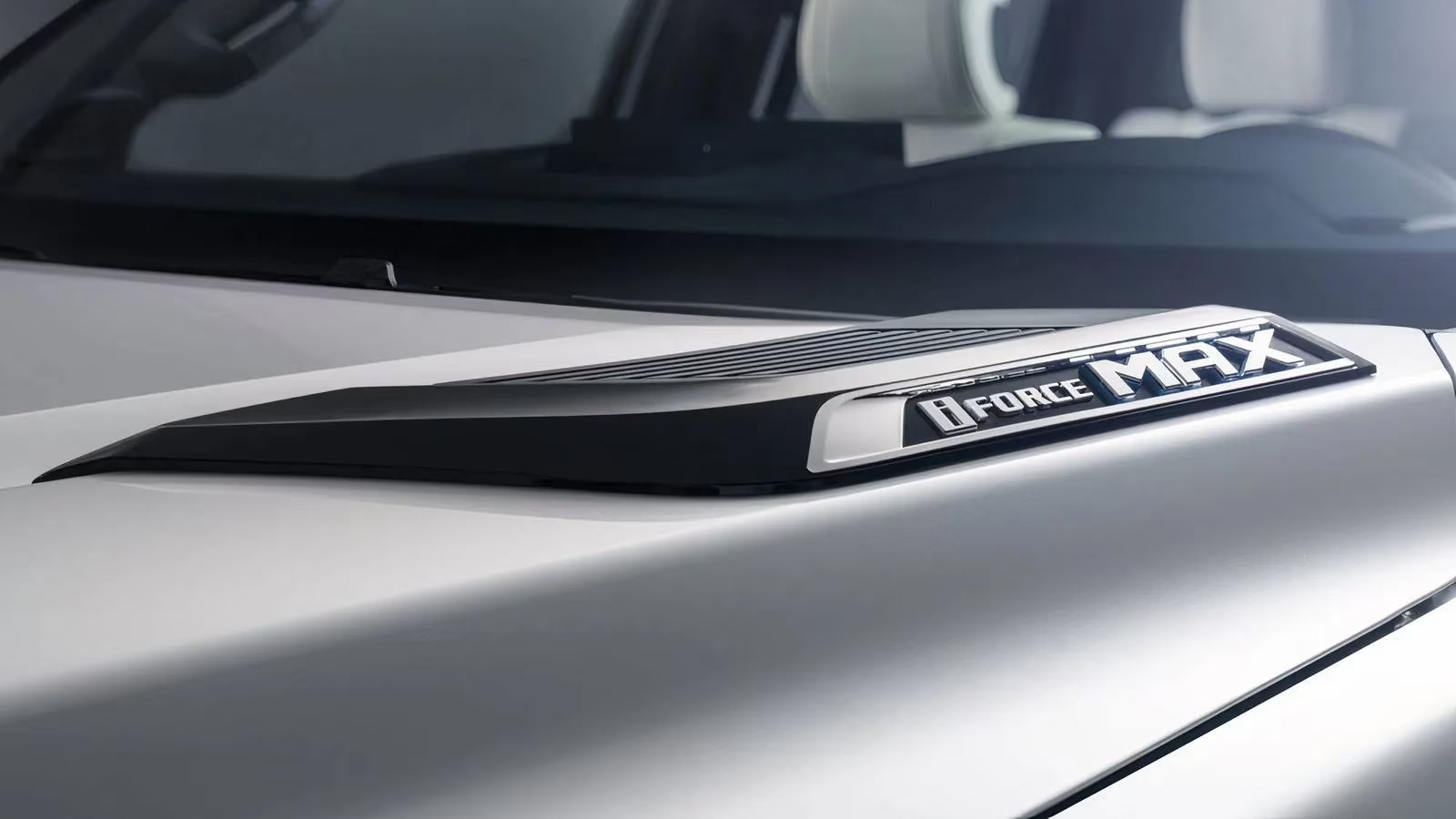
The Tundra’s Hybrid Punch
The Tundra i-Force Max pairs a twin-turbocharged 3.4-liter aluminum-block 24-valve DOHC V6 with an electric motor/generator nestled between the engine and transmission. A 10-speed electronically controlled automatic transmission channels power to the rear wheels or to an available four-wheel-drive system with an electronically controlled two-speed transfer case. The combined output is 437 horsepower and 583 lb-ft of torque, eclipsing the retired 5.7-liter V8 by more than 50 horsepower and 175 lb-ft. Toyota’s reliability reputation adds a practical sheen that resonates with buyers who use their trucks as tools rather than toys.
Buyers who do not want the hybrid can choose the standard i-Force, a regular 3.4-liter aluminum-block 24-valve DOHC V6 with twin turbochargers and a water-cooled intercooler. The hybrid, however, is the headline act. The Tundra’s hybrid V6 behaves like a draft horse that has quietly earned a degree in engineering—pulling with old-school grit while managing its energy with modern precision.
Towing is where the Tundra lands a clean hit. The two-wheel-drive Tundra i-Force Max with the 5.5-foot short bed is rated at 11,450 pounds in Limited trim and 11,380 pounds in Platinum trim. The four-wheel-drive version sees those figures fall slightly, but the truck still handily out-tows the standard Raptor’s 8,200-pound rating. For buyers hauling hay bales, horse boxes, or project cars, that margin matters.
On the feature front, the Tundra Platinum brings 20-inch dark-gray-painted alloy wheels, a power tilt/slide panoramic roof with power sunshade, leather-trimmed 10-way power-adjustable front seats, a 12.3-inch digital meter with selectable gauge display screens, and available Adaptive Variable Suspension and load-leveling rear air suspension. The Tundra TRD Pro, which shares the same torquey powertrain, was named best pickup truck of 2025 by one publication—a reminder that Toyota’s hybrid strategy is not merely about fuel savings.
| Metric | Toyota Tundra i-Force Max | Ford F-150 Raptor (standard) | Ford F-150 Raptor R |
|---|---|---|---|
| Engine | 3.4L twin-turbo V6 hybrid | 3.5L EcoBoost High-Output V6 | 5.2L supercharged V8 |
| Horsepower | 437 hp | 450 hp | 720 hp |
| Torque | 583 lb-ft | 510 lb-ft | 640 lb-ft |
| 0–60 mph | 5.6 s | 5.2 s | 3.6 s |
| Max towing | 11,450 lbs (2WD Limited) | 8,200 lbs | 8,700 lbs |
| Transmission | 10-speed automatic | 10-speed automatic | 10-speed automatic |
The Raptor’s Standard and R Models
The standard F-150 Raptor remains a formidable off-road athlete. Its 3.5-liter EcoBoost High-Output V6 produces 450 horsepower and 510 lb-ft of torque, managed by an electronic 10-speed automatic. Ford says the truck is designed for unexpected detours, and the hardware backs up the boast: heavy-duty skid plates, huge 35-inch all-terrain tires, Trail Turn Assist—which brakes the inside rear wheel to shrink the turning radius—sport-tuned front and rear shock absorbers, and FOX Racing Shox with Live Valve Technology.
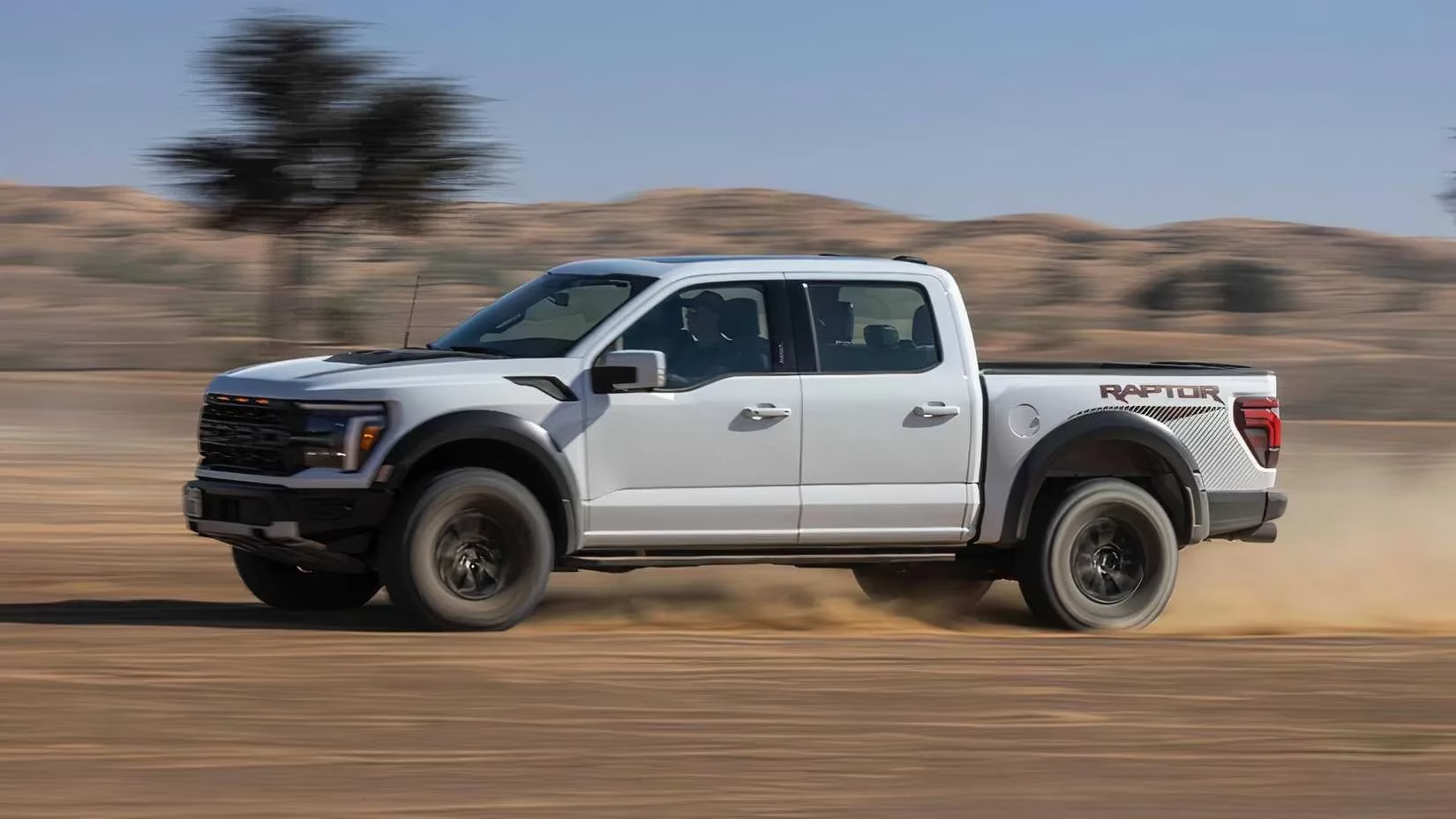
The standard Raptor is also quicker than the Tundra from the lights, hitting 60 mph in 5.2 seconds versus the Toyota’s 5.6 seconds. That half-second gap is not decisive in daily driving, but it reinforces the Ford’s performance-first identity. The Raptor gives up torque and towing capacity to the Tundra, yet it compensates with a chassis and suspension package engineered for high-speed dirt work.
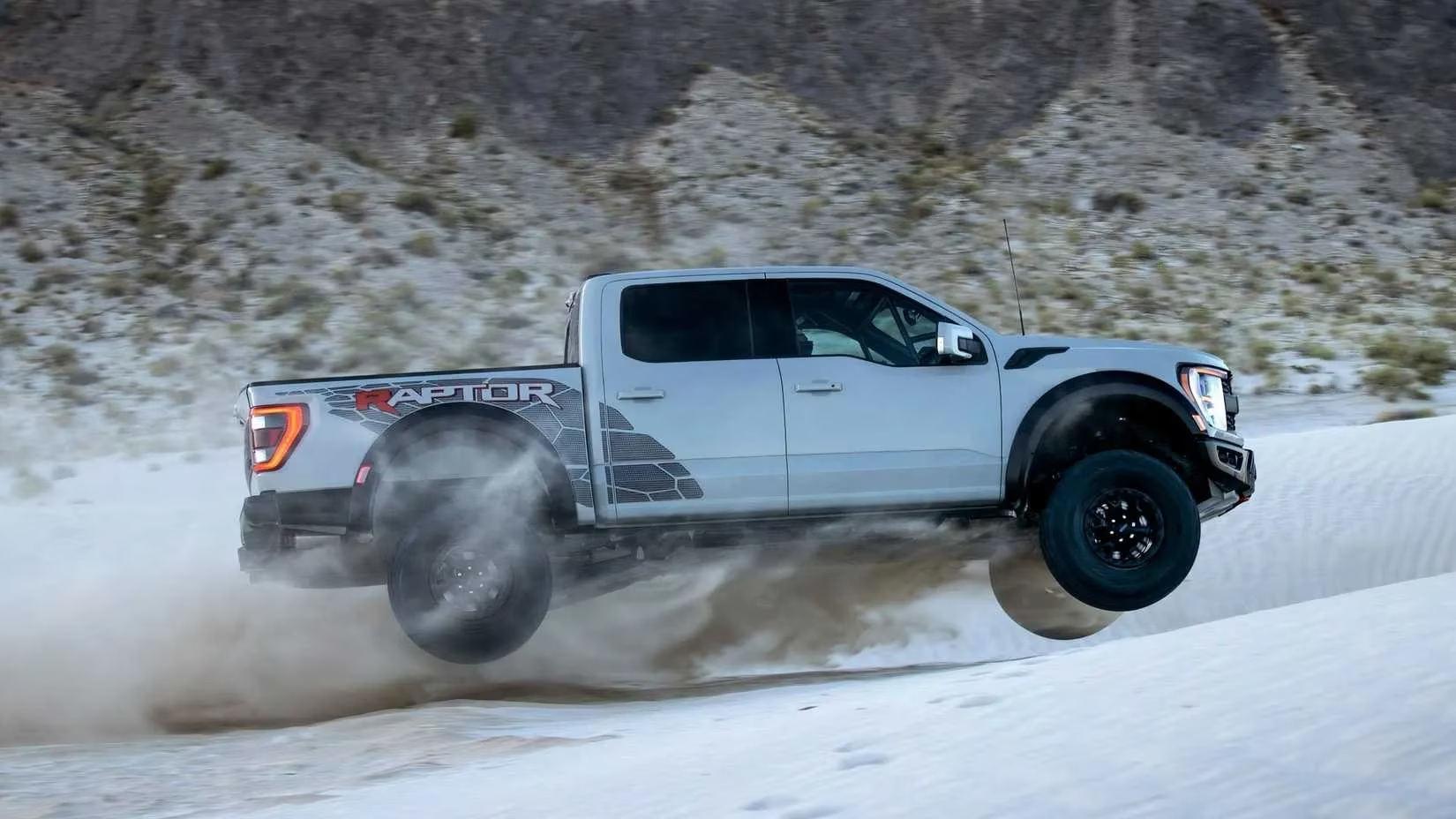
Then there is the Raptor R, the option box that turns the truck into something of a WRC car on steroids. Ford installs Fox Dual-Live Valve Shox, 37-inch tires, and a scorching 5.2-liter supercharged V8 lifted from the Shelby GT500. In the Raptor R, that engine produces 720 horsepower and 640 lb-ft of torque. Towing capacity rises to 8,700 pounds, but buyers spending $112,460 on a performance truck are probably more interested in acceleration than horse-box compatibility. The Raptor R hits 60 mph in a supercar-troubling 3.6 seconds, reaches 100 mph in 9.1 seconds, and runs the quarter mile in 12.0 seconds at 113 mph. For a 6,090-pound vehicle, those numbers are absurd. The Raptor R is a scalpel taped to a sledgehammer: it can carve a line, but it is happiest obliterating one.
The Torque King Beyond the Raptor
For all the drama between the Tundra and the Raptor, neither truck comes close to the torquiest diesel pickups on the market. The Ford F-Series Super Duty, equipped with the 6.7-liter High Output Power Stroke V8 turbo diesel B20 engine, produces 500 horsepower at 2,600 rpm and an earth-moving 1,200 lb-ft of torque at 1,600 rpm. A 10-speed automatic transmission manages the output, and the truck is rated to tow 22,000 pounds—roughly three or four elephants, depending on the elephants. The Super Duty’s diesel torque arrives like a tectonic plate shifting under the hood—slow to anger, impossible to argue with.
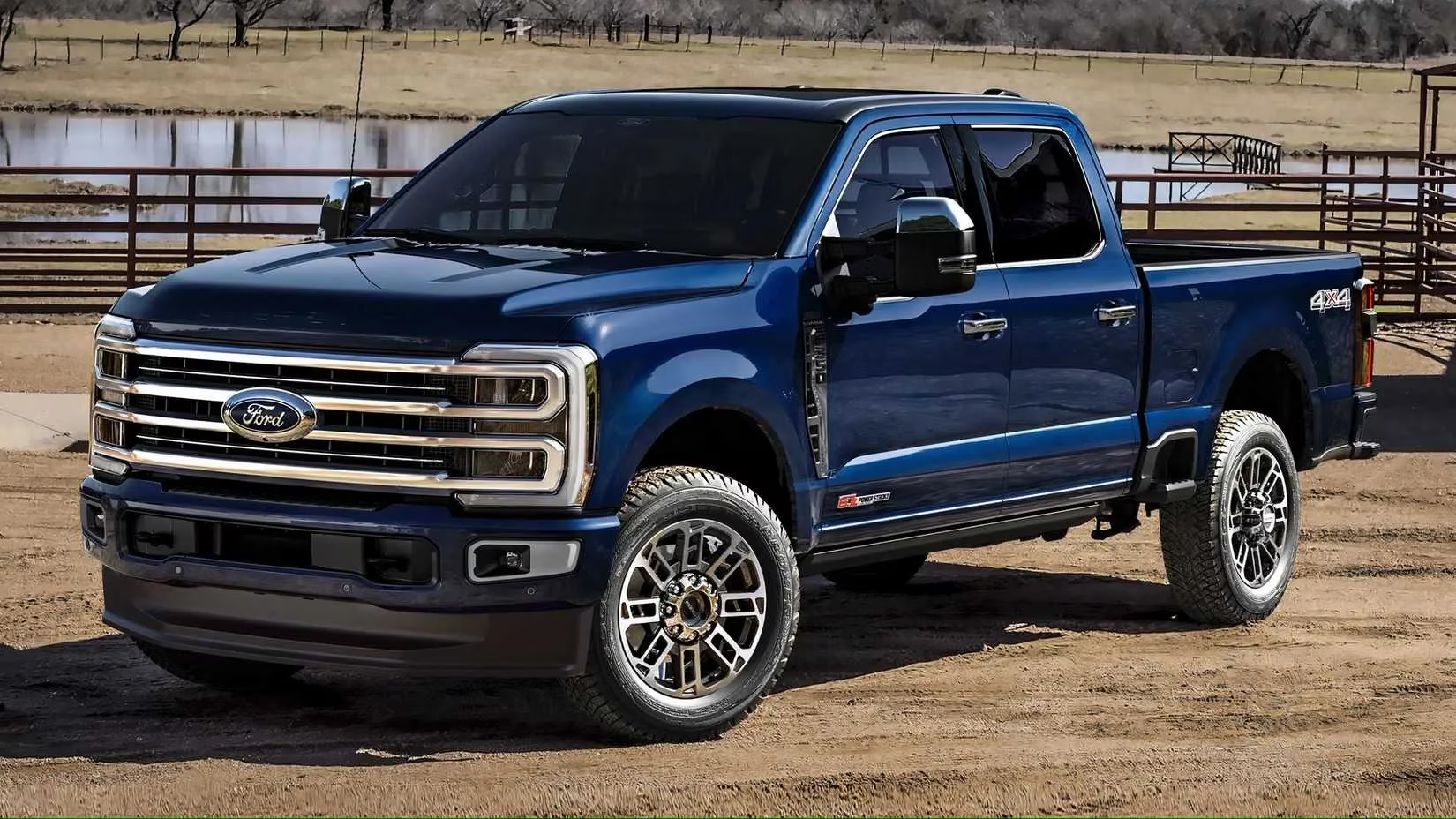
What makes the Super Duty even more astonishing is its straight-line speed. One respected magazine tested it to 60 mph in just 5.5 seconds, making it the quickest diesel truck that publication had ever tested. The Super Duty is also known for strong reliability, which matters when the truck is expected to work for a living.
The Verdict: Three Trucks, Three Arguments
The Tundra i-Force Max wins on torque and towing among the half-ton combatants. It offers a hybrid drivetrain, a comfortable Platinum trim, and Toyota’s durability story. The standard Raptor wins on off-road hardware and a slight acceleration edge. The Raptor R wins on sheer, supercharged absurdity. And the Super Duty wins the torque war by a landslide, even if it is playing a different game.
In 2026, the smart money does not pick a single winner. It picks based on use case. For hauling and everyday competence, the Tundra i-Force Max makes a compelling case. For desert-running spectacle, the Raptor and Raptor R remain the benchmarks. For max-torque diesel work, the Super Duty stands alone. The Jurassic Park raptor may be untouchable in fiction, but in the pickup market, Toyota has proven that the predator does not always hold the high ground.
Comments