
Porsche had a problem in the early 1980s. The 911 was revered, but it could not carry the company alone. Porsche needed a more affordable sports car to bring in new buyers and protect its future. The answer was the 944, a car that arrived in 1982 with a front-engine, rear-wheel-drive layout and a shape that looked muscular, wide, and ready to work. Purists grumbled. Some said it barely felt like a Porsche. The 944 did not shout for attention; it waited. Decades later, enthusiasts are finally giving it the respect it deserved. In 2026, it is still one of the smartest ways into classic Porsche ownership. That window is closing, though. It will not stay cheap forever.
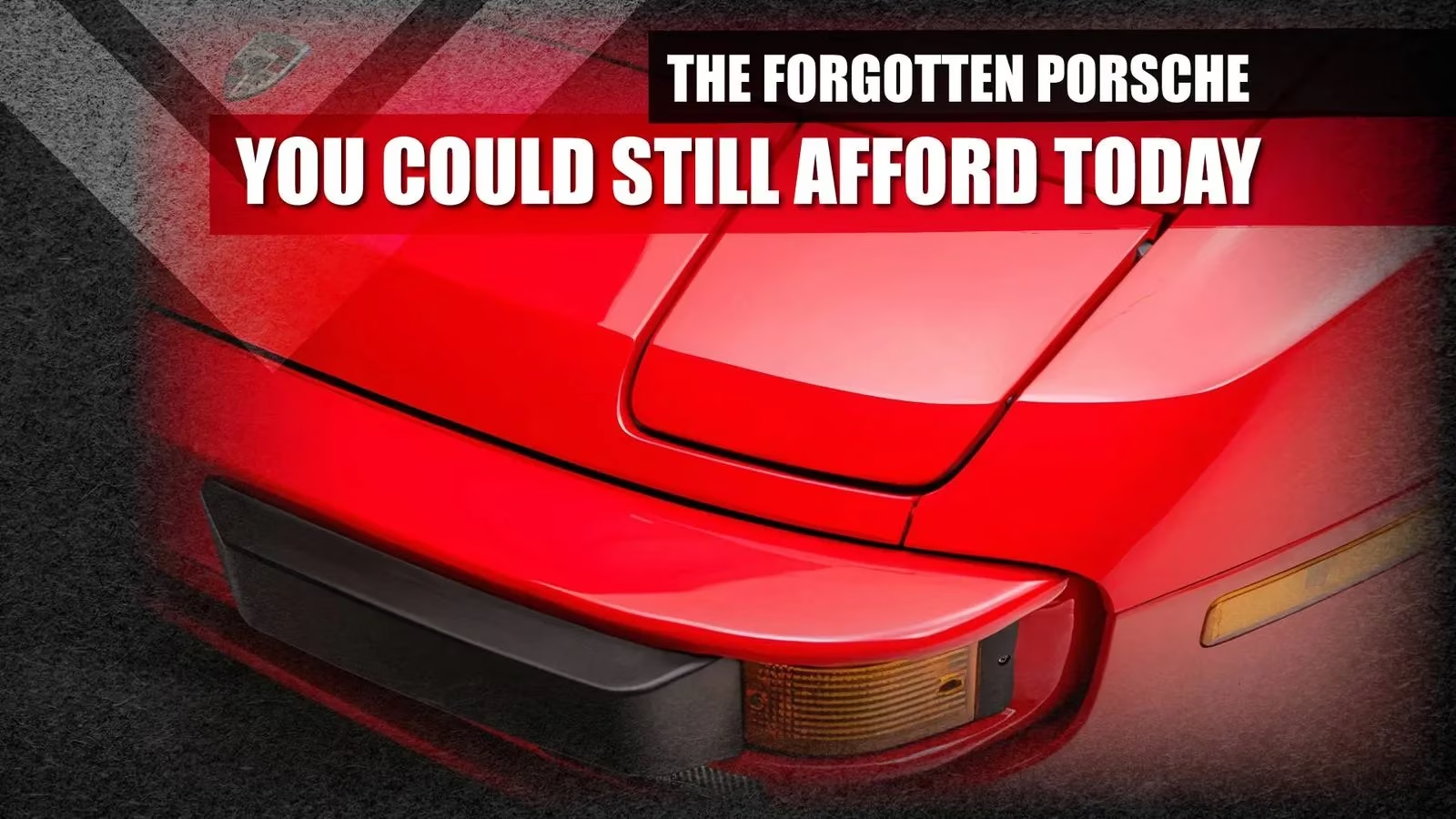
A Porsche That Broke the Family Recipe
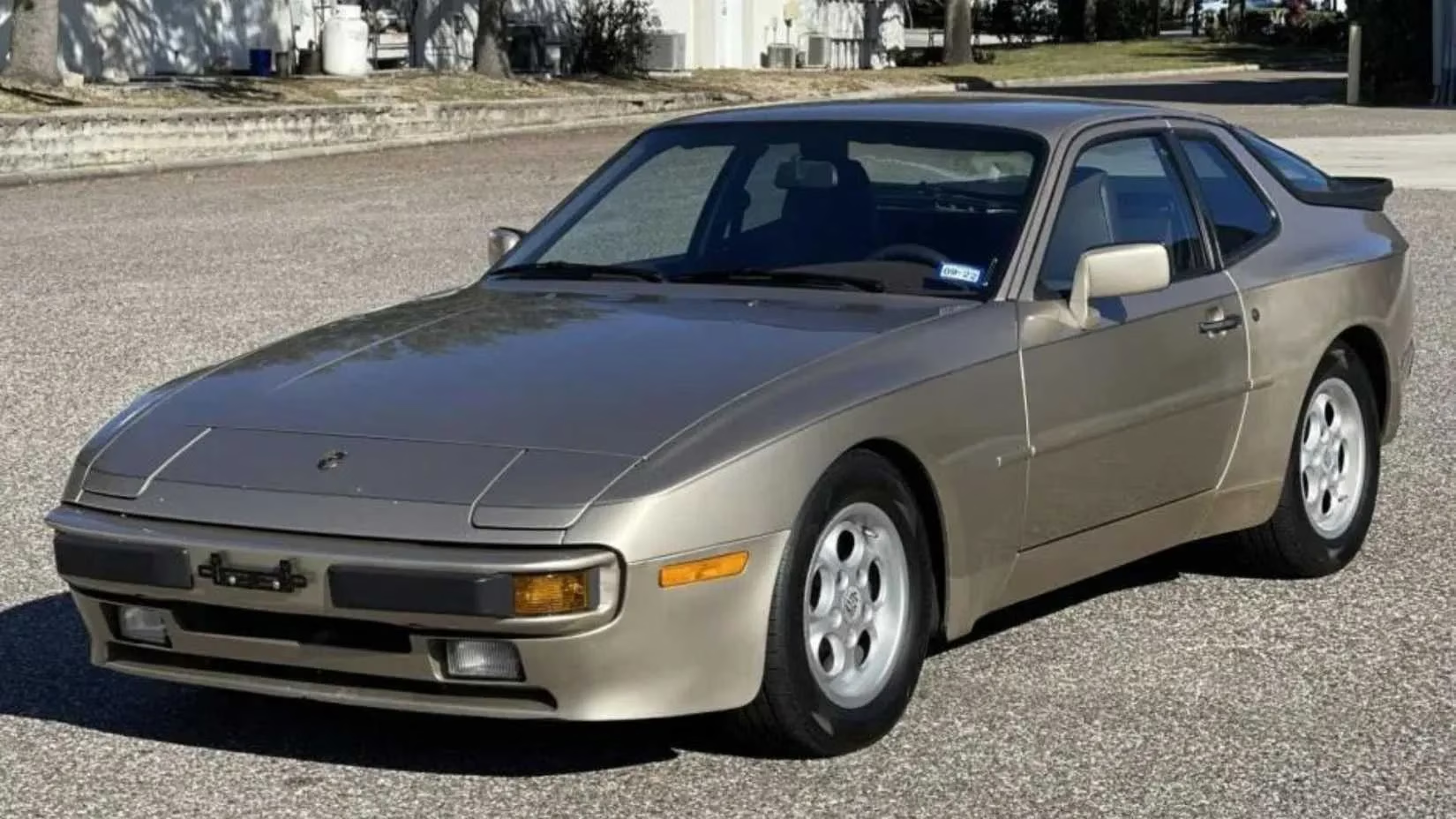
The 944 was designed to bridge the gap between the entry-level 924 and the flagship 911. It was not a rear-engine flat-six legend. It was a front-engine, rear-wheel-drive coupe with flared wheel arches, a low stance, and a more aggressive face than the 924. That design was not just for looks. Wider fenders and a stronger front fascia improved aerodynamics and stability at speed. Inside, the cabin was driver-focused, with controls placed where they made sense. Porsche was mixing form and function, not chasing nostalgia.
Here is the kicker: the 944 was never meant to replace the 911. It was meant to save the company by reaching buyers who wanted Porsche engineering without the 911 price and rear-engine quirks. Some critics saw it as a mass-market compromise. Drivers who actually spent time behind the wheel discovered something else. The 944 had precise steering, strong brakes, and a chassis that felt beautifully settled. It was a real Porsche, just a different kind.
The Magic Trick: 50:50 Balance
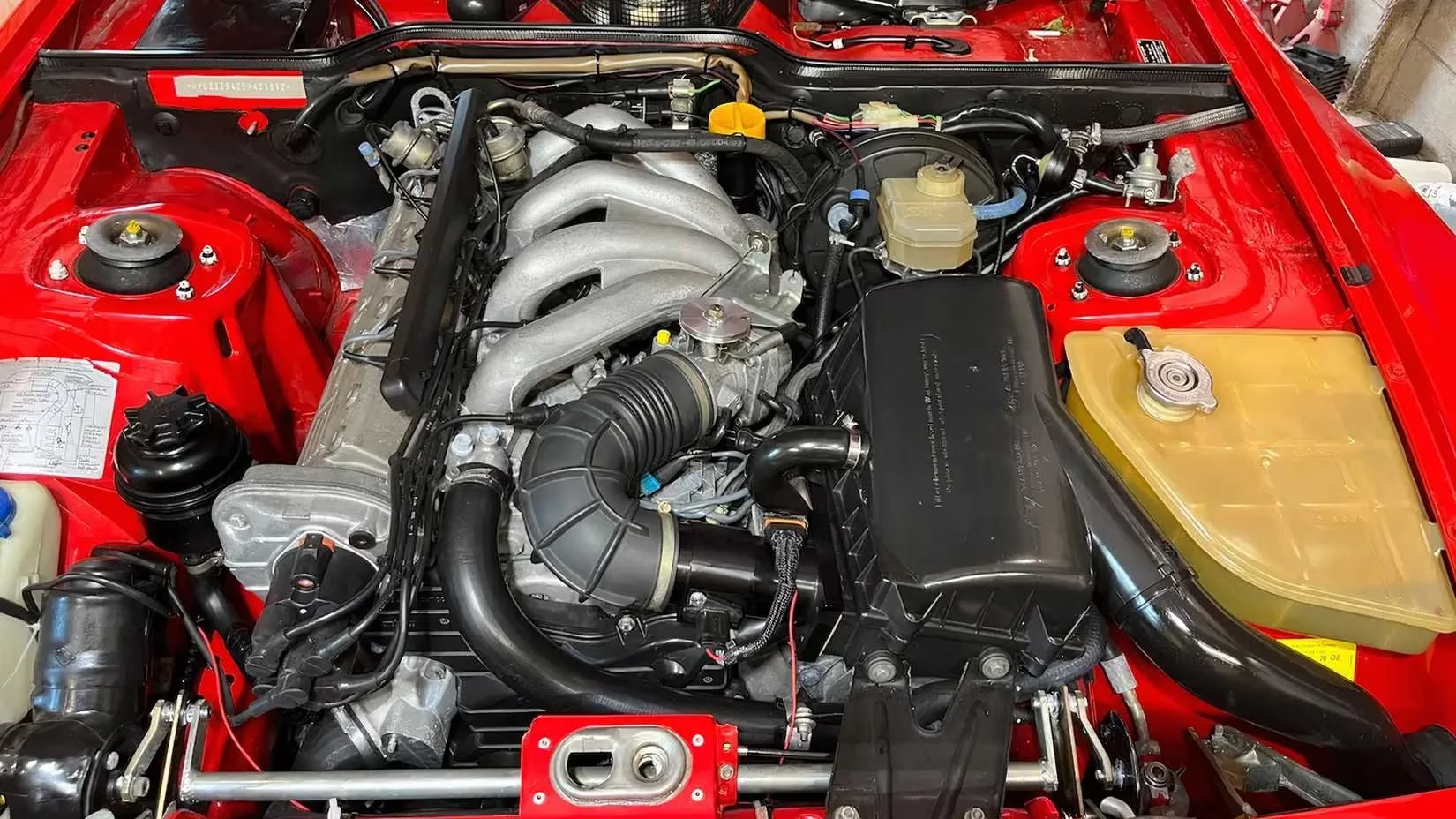
The 944 used a 2.5-liter inline four-cylinder engine producing 163 horsepower at 5,800 rpm. Two balance shafts smoothed out the four-cylinder rumble, making the engine feel almost polite for its era. The suspension used MacPherson struts up front and a semi-trailing arm setup at the rear. Ventilated disc brakes handled stopping duties at all four corners. Early cars could hit 60 mph in about 8.3 seconds and run to roughly 130 mph.
That balance? Not an accident. The 944 used a transaxle layout, with the engine in front and the transmission at the rear. That helped deliver a near-perfect 50:50 weight distribution. The result was a car that cornered with poise instead of violence. It flowed through bends, stayed stable, and gave drivers confidence. No, seriously, that is the 944's magic trick. It does not overwhelm with raw power. It wins with balance.
| Spec | Early Porsche 944 |
|---|---|
| Layout | Front engine, rear-wheel drive, transaxle |
| Engine | 2.5L inline four-cylinder |
| Power | 163 hp at 5,800 rpm |
| 0–60 mph | About 8.3 seconds |
| Top speed | Around 130 mph |
| Suspension | MacPherson front, semi-trailing arm rear |
| Brakes | Ventilated discs at all four corners |
| Weight balance | Near 50:50 |
Turbo, S2, and the 968 Finale
Porsche did not leave the 944 alone. The 944 Turbo arrived in 1985 with a turbocharged 2.5-liter engine making 217 horsepower. That was a serious jump in performance. Later, the 944 S2 moved to a larger 3.0-liter four-cylinder, still with four cylinders but with more torque and a broader punch. The 944 family kept evolving without losing its balanced character.
Then came the 968 in 1991. It was the final evolution of Porsche's front-engine, four-cylinder sports cars. The 968 used a 3.0-liter engine with VarioCam variable valve timing, producing 240 horsepower. It also offered a six-speed manual transmission and styling cues that nodded to the 928. The 968 had a stiffer chassis, improved brakes, better weight distribution, and a more modern cabin. Only about 12,776 units were built before production ended in 1995. That rarity has made it a collector favorite, and its price reflects that.
The Market Is Waking Up
The 944 spent years in the shadows. Collectors chased the 911, and the 944 stayed the affordable oddball. By 2026, that story is changing. Clean examples are climbing. A well-kept early 944 that might have been a $15,000 car a few years ago now often asks low-to-mid $20,000. Exceptional low-mileage cars can push past $30,000. Tired drivers and higher-mileage projects still start near $12,000, but the best cars are moving up.
| 2026 Market Snapshot | Typical Range |
|---|---|
| Higher-mileage driver | From about $12,000 |
| Clean early 944 | Low-to-mid $20,000s |
| Excellent low-mile example | $30,000+ |
| Turbo, S2, and 968 | Higher, condition-dependent |
The rise makes sense. The 944 offers performance, reliability, and classic Porsche design without 911 money. It is also becoming scarcer as good cars get restored, crashed, or worn out. Scarcity drives demand. Demand drives prices. The 944 is no longer the secret handshake it was five years ago.
What to Check Before Buying
A 944 can be a great classic, but a careless purchase can bite. A thorough inspection is essential.
-
⏱️ Timing belt: Replace every 40,000 miles or three years. A snapped belt can destroy the engine.
-
💧 Water pump: Plan on replacement around every 80,000 miles.
-
🔧 944 S cam-chain tensioner: Make sure it has been serviced. Failure can cause serious engine damage.
-
🦠 Rust: Check sills, rear wheel arches, suspension mounts, and front jacking points. Factory galvanizing helps, but it is not a force field.
-
⚙️ Transaxle and clutch: Listen for whining noises. Clutch jobs are labor-heavy and expensive.
-
🔌 Interior and electrics: Look for damp carpets in the footwells and rear luggage area. Test the pop-up headlights and dashboard instruments.
The Forgotten Porsche Is Finally Getting Its Flowers
The 944 was never the obvious hero. It was the practical gamble, the balanced athlete, the Porsche that asked buyers to try something different. For years, that made it a bargain. In 2026, it is still affordable compared with the icons, but the gap is narrowing. For a driver who wants a classic Porsche with sharp handling, usable performance, and a story that is finally being told, the 944 makes a lot of sense. The forgotten Porsche is waking up. The price tag is waking up with it.
Comments