
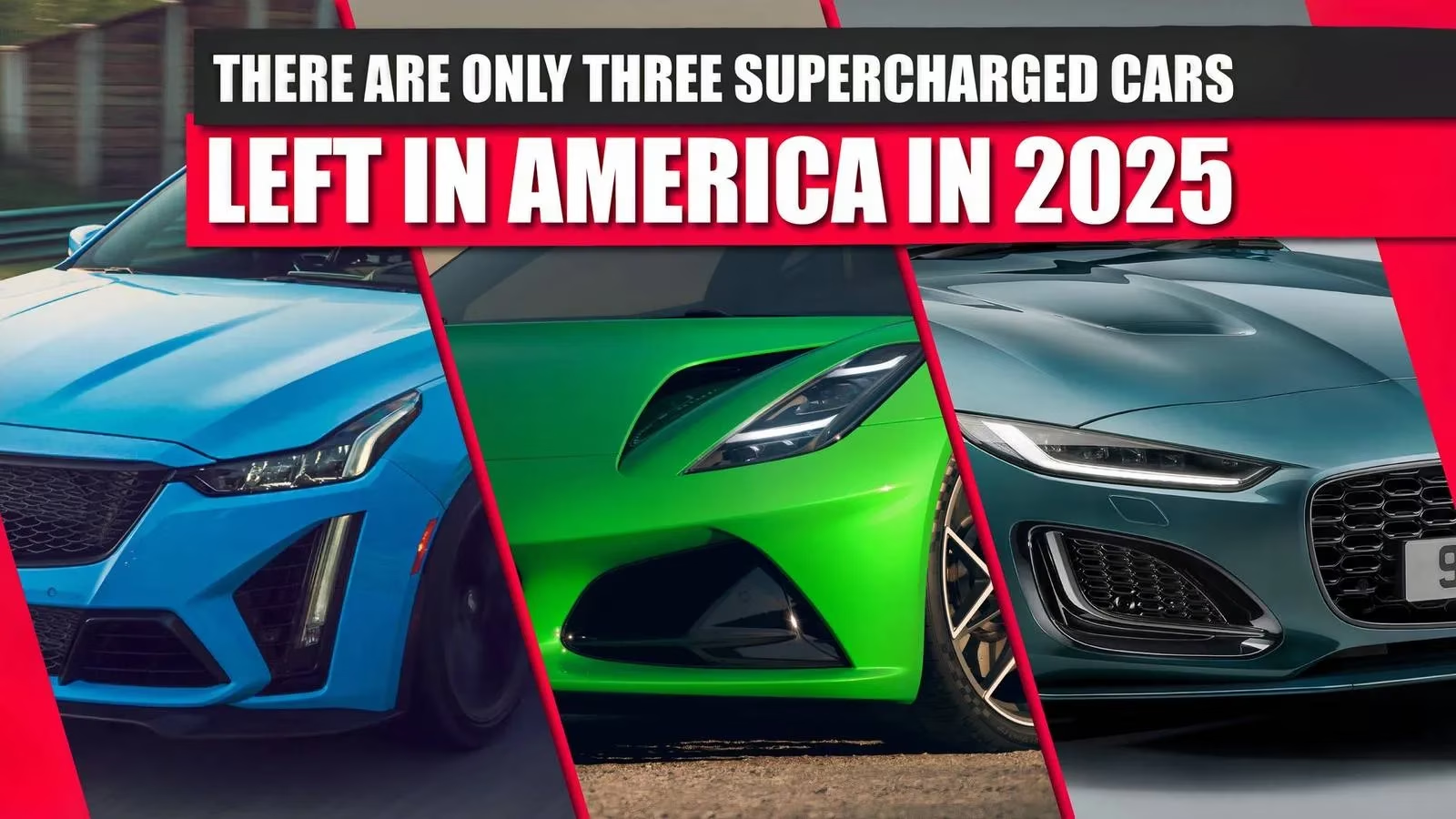
The world of automotive performance has undergone an earth-shattering transformation, and the casualties are everywhere you look. The once-dominant reign of the supercharged car—that glorious era of screaming V8s with giant blowers bolted on top—has been utterly decimated. The year 2026 finds us in a strange new landscape where electric motors whir and hybrid systems hum, leaving the visceral roar of forced induction by mechanical belt as a fading echo. From the apocalyptic demise of the Hellcat to the silent retreat of the GT500, the supercharged car has been hunted to near extinction. In a shocking turn of events, if you walk into a dealership today seeking a brand-new, factory-built supercharged car (not a truck, not an SUV), you are faced with a choice of exactly three models. Just three! This is the last stand, the final chapter in a book that everyone thought would have many more pages.
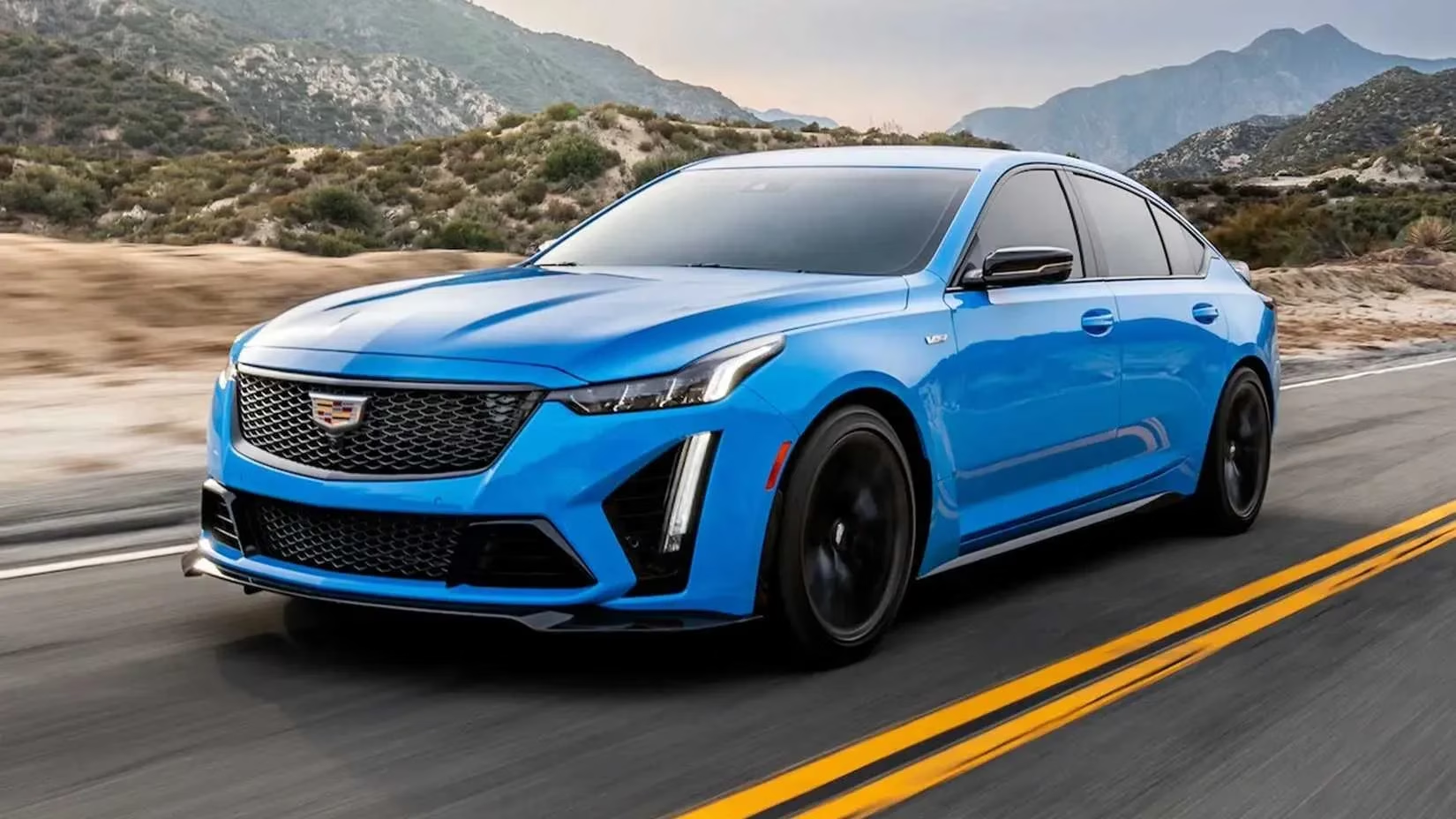
The Titan: 2026 Cadillac CT5-V Blackwing
This machine isn't just a car; it's a declaration of war against the future. While its contemporaries surrendered to electrification, the Cadillac CT5-V Blackwing stood its ground, a titanic monument to American excess. It is, unequivocally, the last of its kind on the planet: a front-engine, rear-drive, manual-transmission-available, supercharged V8 sedan. Its heart is a 6.2-liter supercharged LT4 V8, a beast that bellows with 668 horsepower of pure, unadulterated fury. Cadillac knows this is the end, which makes every single Blackwing that rolls off the line feel like a priceless artifact.
Driving it is an experience that borders on the surreal. One moment, you're cruising in sublime luxury, the magnetic ride control ironing out imperfections. The next, you bury the throttle, and the world dissolves into a violent, glorious cacophony of supercharger whine and exhaust thunder. The chassis is a masterpiece of control, somehow containing this nuclear reactor on wheels. It is the ultimate paradox: a civilized brute, a comfortable weapon. Its impending departure marks not just the end of a car, but the extinction of an entire philosophy of performance.
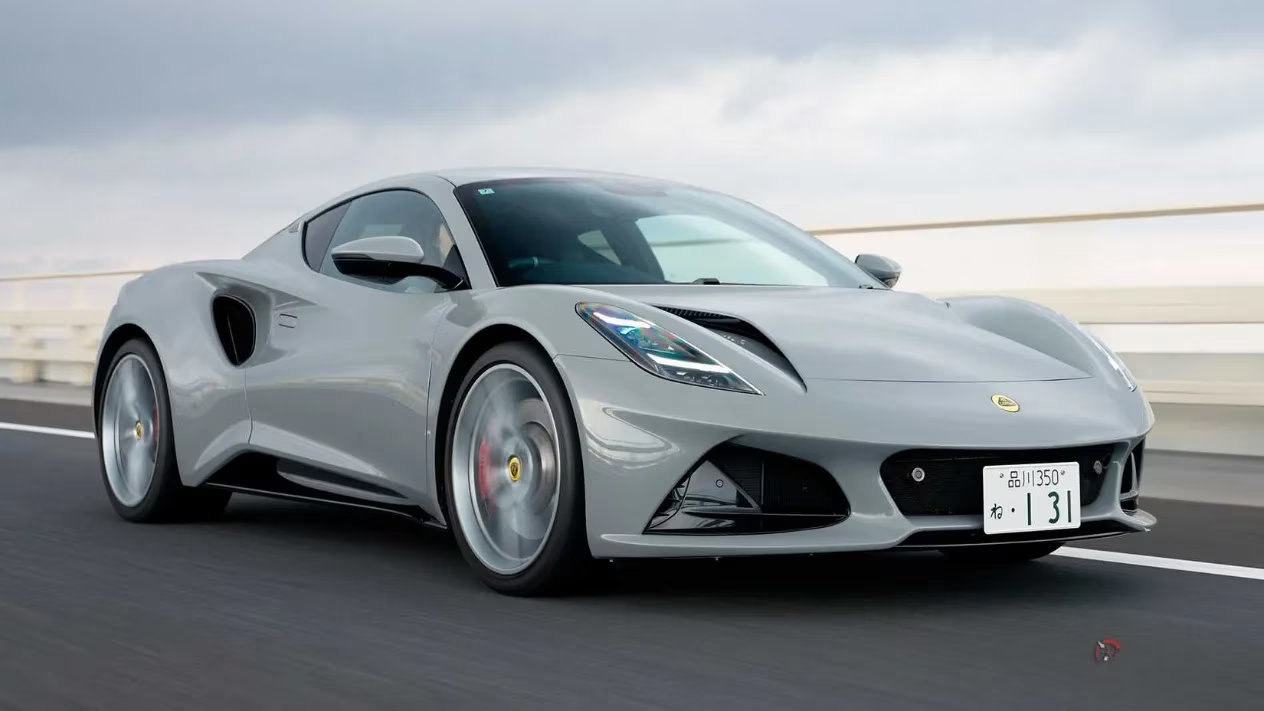
The Purist's Swan Song: 2026 Lotus Emira V6
If the Blackwing is a sledgehammer, the Lotus Emira V6 is a surgical scalpel. This is the absolute, final, no-take-backsies last analogue, manual-transmission, supercharged sports car you will ever be able to buy new. Lotus, the company that built its legend on lightweight purity, is using this car to write the most beautiful farewell letter imaginable. Under its stunning clamshell hood lies not a hybrid battery or a turbo, but a gloriously anachronistic 3.5-liter supercharged Toyota V6.
The experience is raw, direct, and utterly intoxicating. The supercharger provides a sharp, linear shove that electric motors can only dream of replicating in feel. The manual gearbox is a work of art, with a clutch pedal and shift action that communicate every nuance of the road. This car isn't about numbers; it's about sensation. It's about the mechanical symphony behind your head and the intimate connection between your hands, feet, and the asphalt. Once the last Emira V6 is sold, a light goes out forever. The era of the simple, lightweight, supercharged sports car will be officially, tragically, over.
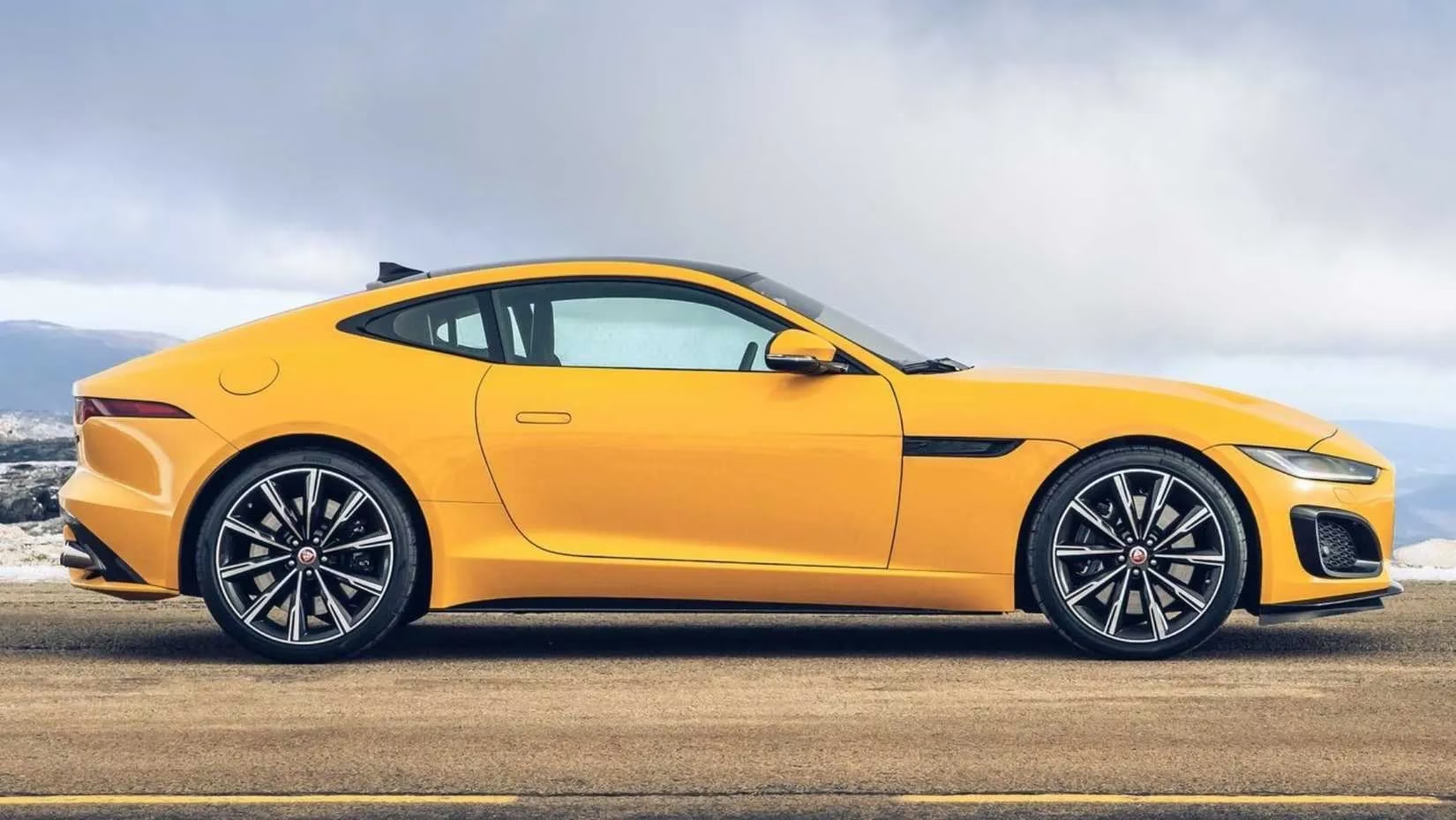
The Dramatic Final Bow: 2026 Jaguar F-Type R75
Jaguar is going out with a bang, not a whimper. The F-Type R75 is the glorious, flamboyant, and utterly unapologetic final act for Jaguar's legendary 5.0-liter supercharged V8. This engine has been the soul of Jaguar performance for over a decade, powering everything from luxury barges to track monsters. In its last hurrah, it's been polished to a brilliant sheen, mounted in the achingly beautiful F-Type, and set loose. The result is a car that feels like a celebration.
-
The Sound: The exhaust note is a theatrical performance, a crackling, popping symphony that turns every tunnel into a concert hall.
-
The Shove: That supercharged V8 delivers its power with an instantaneous, neck-snapping urgency that turbochargers still struggle to match.
-
The Style: It remains one of the most beautiful GT coupes ever drawn, a final reminder of Jaguar's design prowess before its full pivot to electric vehicles.
When the last R75 is built, it doesn't just mark the end of the F-Type. It marks the end of supercharged V8 performance in Britain. Jaguar's future is silent and electric; this car is its roaring, gasoline-fueled goodbye.
The Bizarre Sanctuary: Trucks & SUVs
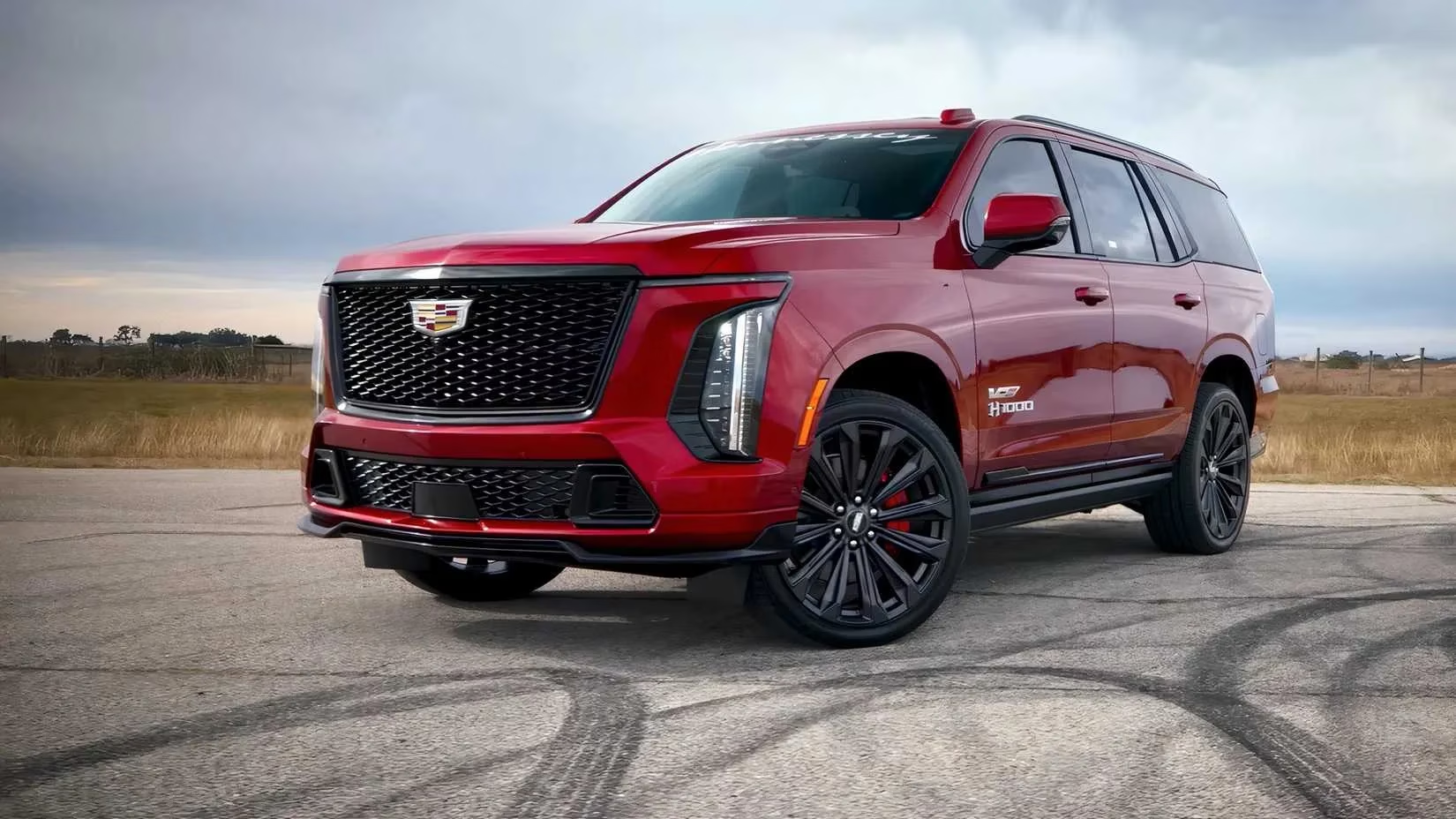
Here lies the great irony of 2026! While the supercharged car is on life support, the supercharged truck and SUV is alive, well, and absolutely thriving. It turns out the formula of "big engine + big blower = big capability" still makes perfect sense in the land of behemoths.
| Vehicle | Role | Why the Supercharger Survives Here |
|---|---|---|
| Cadillac Escalade-V | Luxury Family Brute | Instant torque for a 3-ton SUV, unmatched tow confidence, status symbol power. |
| Dodge Durango SRT Hellcat | People-Hauling Missile | 710 horsepower for school runs. Need we say more? |
| Ford F-150 Raptor R | Desert-Running Monster | Low-end grunt for dune climbing, effortless towing, a halo of raw power. |
In these applications, the supercharger's immediate, lag-free power delivery is king. There's no waiting for turbos to spool when you're pulling a boat up a ramp or need a burst of speed in a massive vehicle. The supercharger provides a simple, brutal, effective solution. But let's be clear: these are not cars. They are fantastic, hilarious, over-the-top appliances of power, but they lack the intimacy and focus of the three remaining supercharged cars.
Why the Supercharged Car is Dying
The executioners of the supercharged car are many, and they are efficient:
-
The Hybrid Onslaught: Electric motors provide instant torque more efficiently and cleanly than a supercharger ever could. They fill the low-end gap perfectly.
-
Turbo Dominance: Modern twin-scroll turbos have minimized lag while offering superior fuel efficiency and packaging benefits. They are simply the smarter engineering choice now.
-
The Emissions Inquisition: Stricter global regulations have no mercy for the thirsty, less-efficient supercharged engine.
-
The Downsizing Trend: Superchargers work best on large-displacement engines. As the industry shrinks engine sizes, the blower's raison d'être vanishes.
The three surviving cars—the Blackwing, Emira, and F-Type—exist not because of business logic, but because of sentiment, passion, and legacy. They are each a manufacturer's final love letter to a dying art. Cadillac wanted a last V8 hurrah. Lotus demanded one final pure sports car. Jaguar needed a dramatic curtain call.
Their existence in 2026 is nothing short of a miracle. But miracles don't last. When these three models finally cease production, the factory-supercharged passenger car will pass from the showroom into the history books. The torch will flicker on for a few more years in trucks and SUVs, but for the true enthusiast seeking that unique combination of mechanical scream, linear punch, and analogue thrill in a car, the time to act is now. The final countdown has already begun.
Comments