
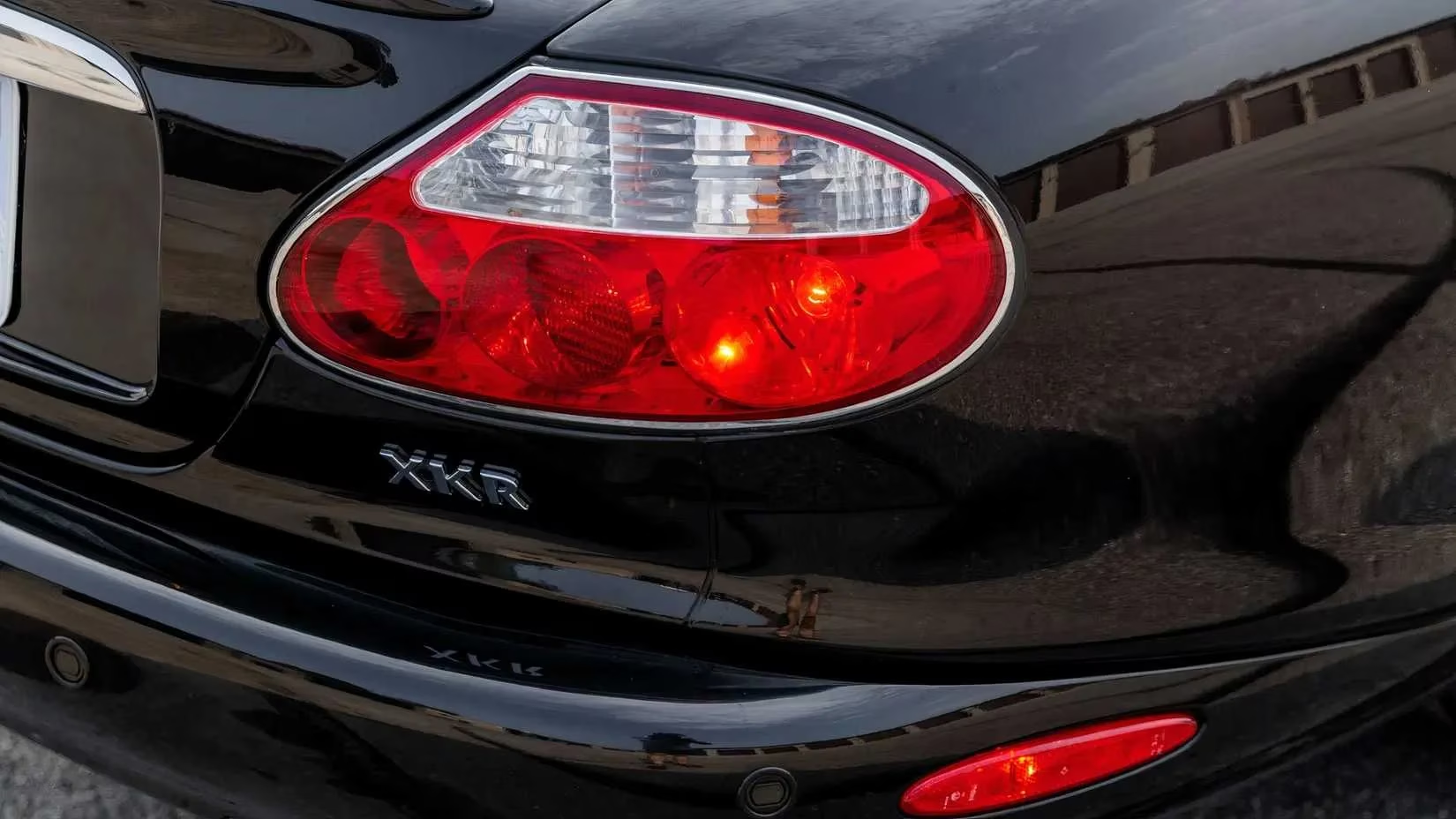
In 2026, the Mazda MX-5 Miata still wears the crown as the go-to affordable sports car. It is lightweight, tossable, and priced just north of $30,000 for a new example. For many enthusiasts, that is the sweet spot: a balance of budget and backroad grins. But what if a buyer could roll into Cars and Coffee in a leather-lined British grand tourer with a supercharged V8 for less money than a new Miata? That is not a typo. The first-generation Jaguar XKR, built from 1999 to 2006, remains one of the used car world's best-kept secrets. According to market data, early XKRs routinely change hands for $9,000 to $12,000, depending on condition and mileage. Later 4.2-liter cars often sit in the $15,000 to $20,000 range. In other words, this is Aston Martin vibes for used Honda Civic money.
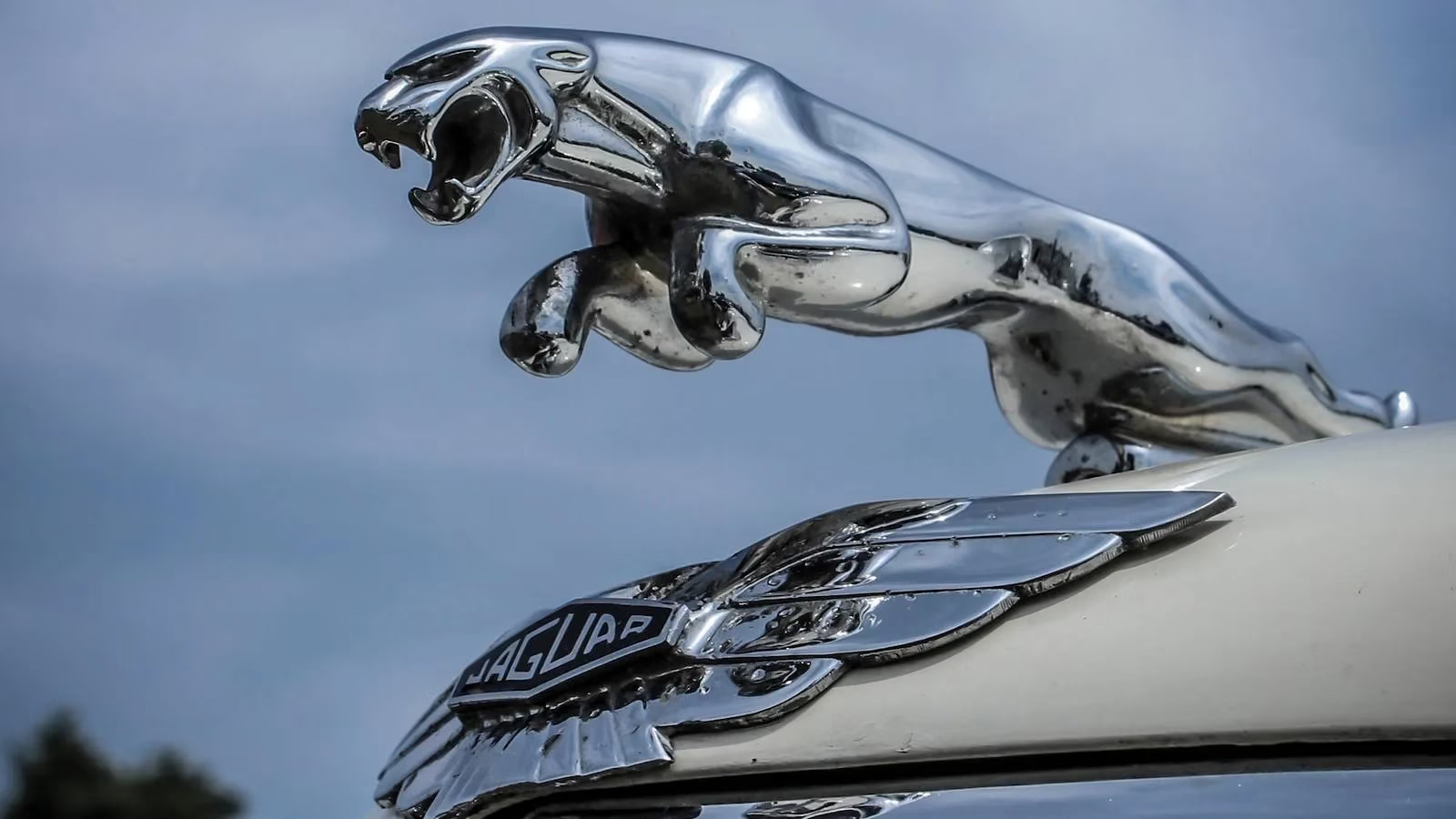
A Grand Tourer With a Depreciation Problem
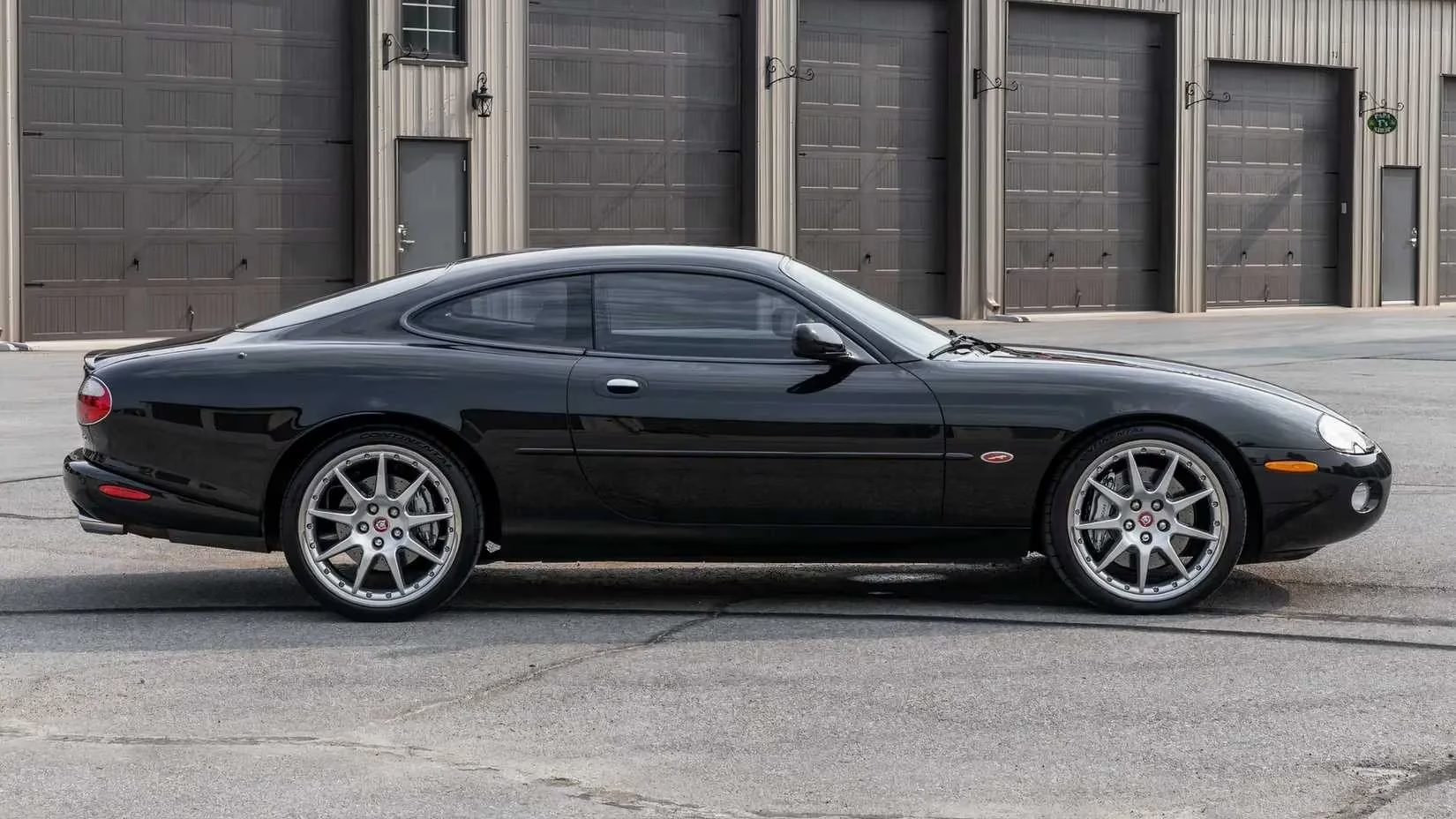
The XKR was penned by Ian Callum, the designer who later gave the world the Aston Martin DB9. It channels classic Jaguar cues—long hood, short deck, aggressive grille, just enough chrome—without becoming a retro pastiche. The R treatment added hood louvers, mesh grilles, unique badging, and larger wheels. Inside, buyers get real wood veneers, soft leather, and a distinctly British atmosphere. Some switchgear may feel like a 1990s Ford Taurus, but the overall cabin is far more upscale than the price suggests.
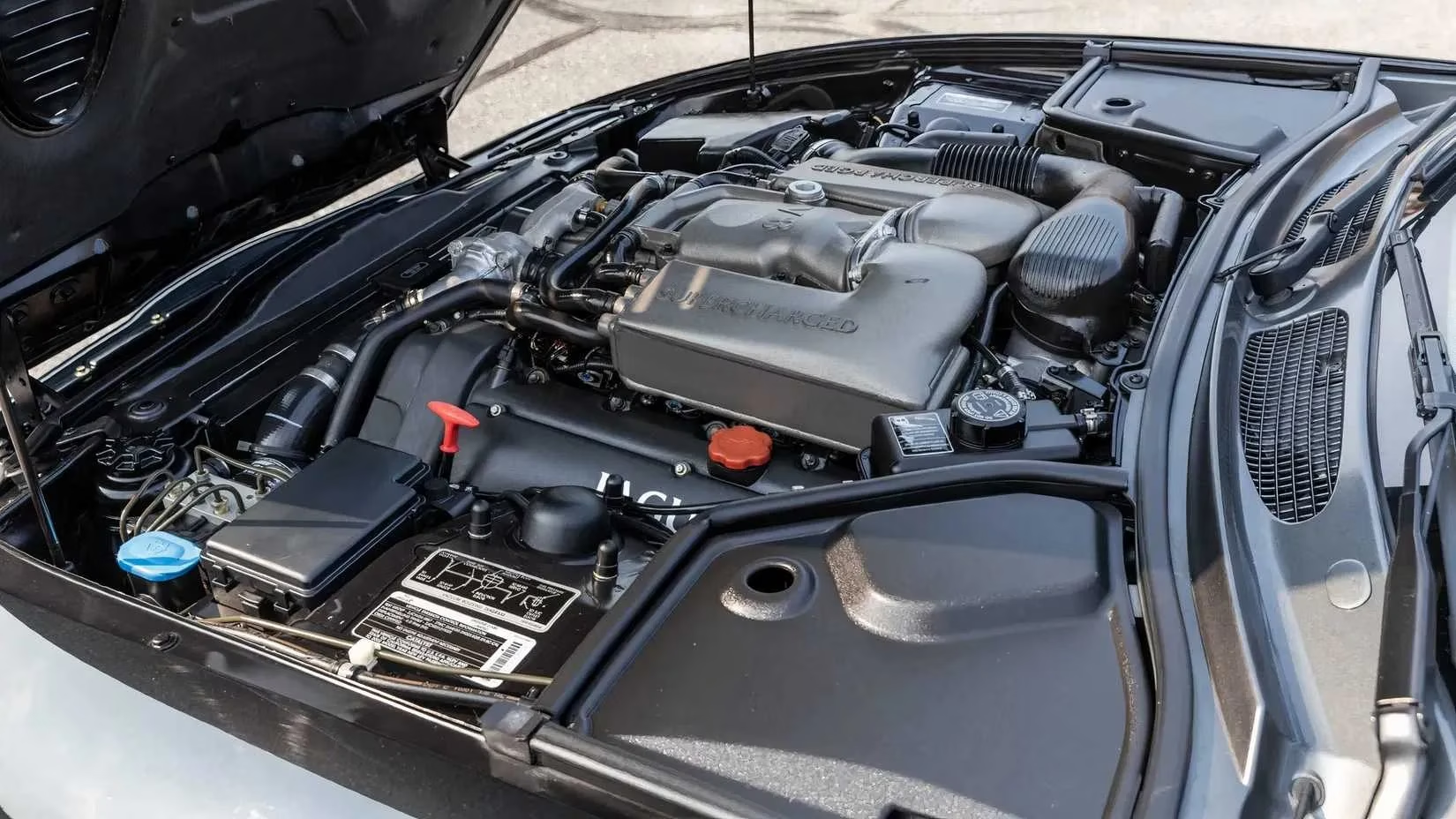
Supercharged V8 Drama
The heart of the XKR is the AJ-V8. The standard XK8 used a naturally aspirated version, but the XKR strapped on an Eaton supercharger. Early models produced 375 horsepower and 387 lb-ft of torque. Later cars bumped output to 400 horsepower and 408 lb-ft. Those figures may not seem shocking in 2026, but in the late 1990s and early 2000s they put the XKR in the same conversation as the BMW M5 and Mercedes-Benz SL55 AMG. The supercharged V8 delivers its power with velvety smoothness, and the soundtrack is pure drama. It growls, snarls, and wails as the revs climb, with a distinct blower whine that reminds everyone this is not just any V8 coupe.
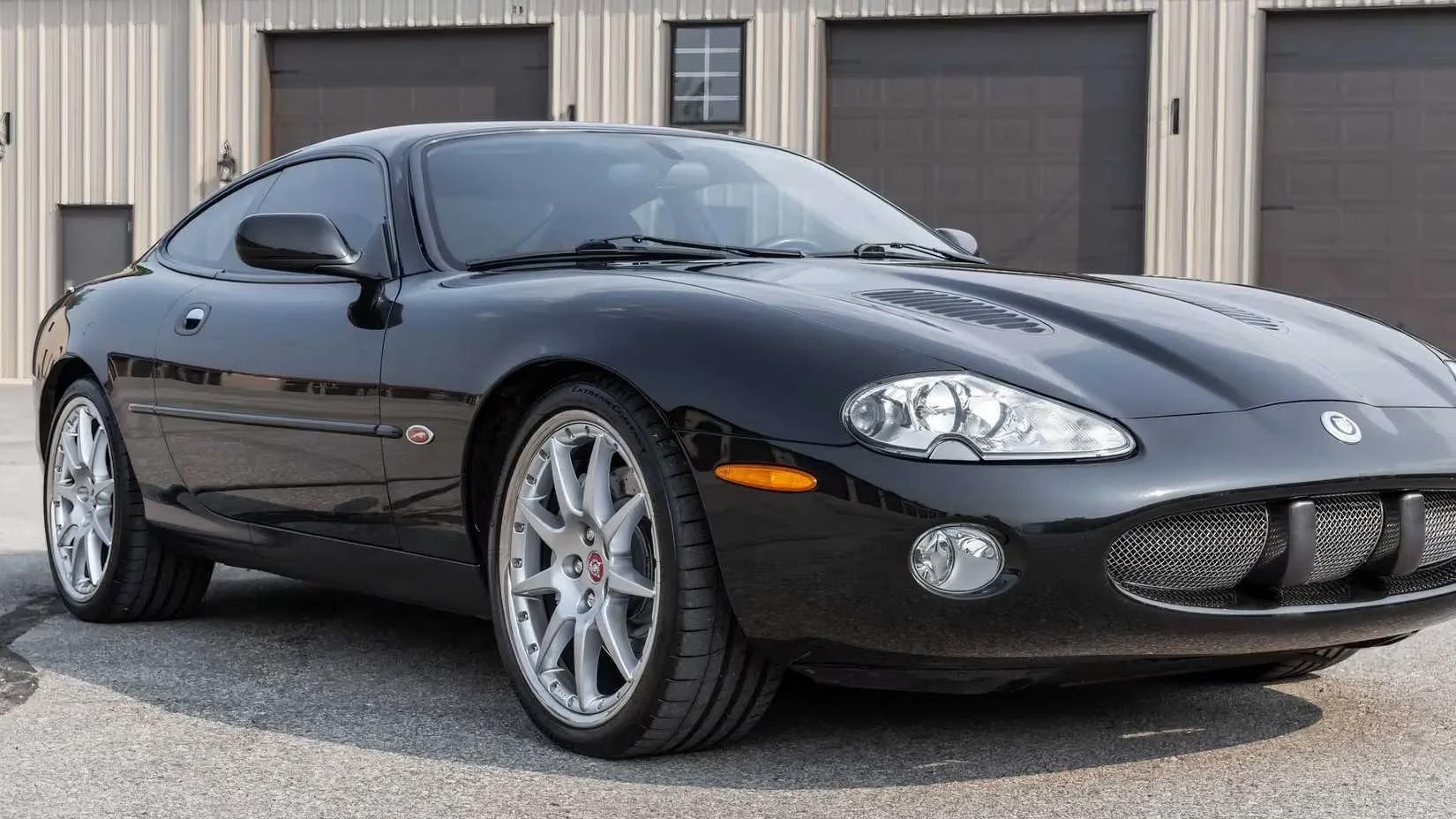
Why Is It Still Cheap?
Depreciation curve. Like many luxury GTs of its era, the XKR took a massive hit once warranties expired and repair bills loomed large. Common issues include timing chain tensioners and plastic thermostat housings. The good news is that these problems have known fixes, and many examples on the market have already had them sorted. A strong enthusiast community has documented most of the major pitfalls, so buyers are not flying blind. A pre-purchase inspection and a documented service history are essential.
XKR vs Miata: The 2026 Bargain Table
| Factor | 2026 Mazda MX-5 Miata | First-Gen Jaguar XKR |
|---|---|---|
| Typical price | ~$30,000 new | $9,000–$12,000 early; $15,000–$20,000 later |
| Engine | 2.0L four-cylinder | Supercharged 4.0L or 4.2L V8 |
| Power | ~181 hp | 375–400 hp |
| Torque | ~151 lb-ft | 387–408 lb-ft |
| Transmission | Six-speed manual or automatic | Smooth automatic |
| Character | Lightweight roadster | Luxury grand tourer |
| Running costs | Low | Higher, but manageable with homework |
| Curb appeal | Friendly and fun | Exotic and exclusive |
The Verdict: A Used Car Hack Worth the Risk?
If the goal is the easiest, cheapest sports car experience with bulletproof reliability, the Miata is still hard to beat. But if a buyer is willing to trade a little peace of mind for way more power, presence, and exclusivity—and if supercharged V8 noises make them grin like an idiot—the XKR starts to look like the ultimate used car hack. It is fast, gorgeous, and criminally cheap for what it offers. Just do the homework, get the inspection, and be ready for a few quirks. Do that, and the first-gen Jaguar XKR may be the best-kept secret in the used car world.
For enthusiasts who want a grand tourer that feels special every time the engine turns over, the XKR is a reminder that depreciation can be a buyer's best friend. The Miata wins on simplicity. The Jaguar wins on drama. In 2026, the smart money may just follow the supercharger whine.
Comments