
America has never been short on performance cars. Over the decades, the country has produced legends that burned bright and stayed in the spotlight, while others slipped quietly into the shadows. Some were too niche, some too strange, and a few were doomed by controversy. As of 2026, these forgotten machines still deserve a second look. They are not just footnotes; they are chapters in the story of American speed.
🏁 Saleen S7: The American Supercar That Almost Made It
The Saleen S7 still wears its aggressive lines like a tailored suit, but it has been left standing at the edge of the party. It appeared in TV shows, movies, and video games, and its twin-turbo version pushed out as much as 750 hp. Yet most people do not remember it. Why? Saleen was known as a tuner, not a full-blown manufacturer. The S7 could have changed that story, but it was too niche. Buyers preferred European supercars. Plain and simple.
🦆 Consulier GTP: The Ugly Duckling That Mattered
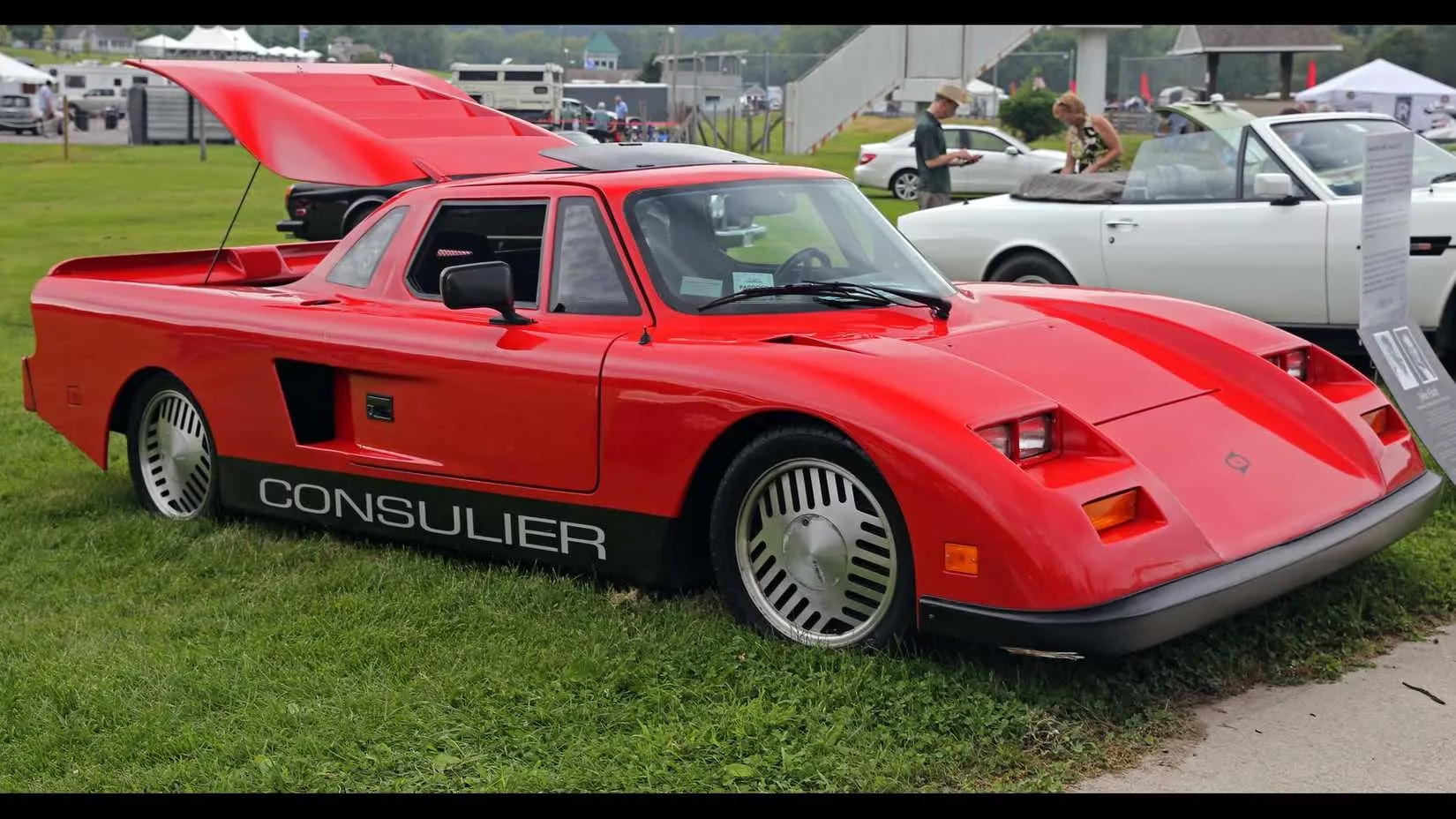
The Consulier GTP was never a beauty queen, yet it quietly opened a door for its maker. It had a turbocharged four-cylinder engine and looks that many people politely described as challenging. But it was light, and that lightness let it keep pace with far flashier rivals. Warren Mosler built between 60 and 100 of them, and the GTP became the first step toward Mosler Automotive. It did not have the style, panache, or glorious exhaust note of its competitors. Most buyers simply chose something prettier. Still, the GTP mattered.
🔧 Mosler MT900: Corvette Heart, Supercar Ambition
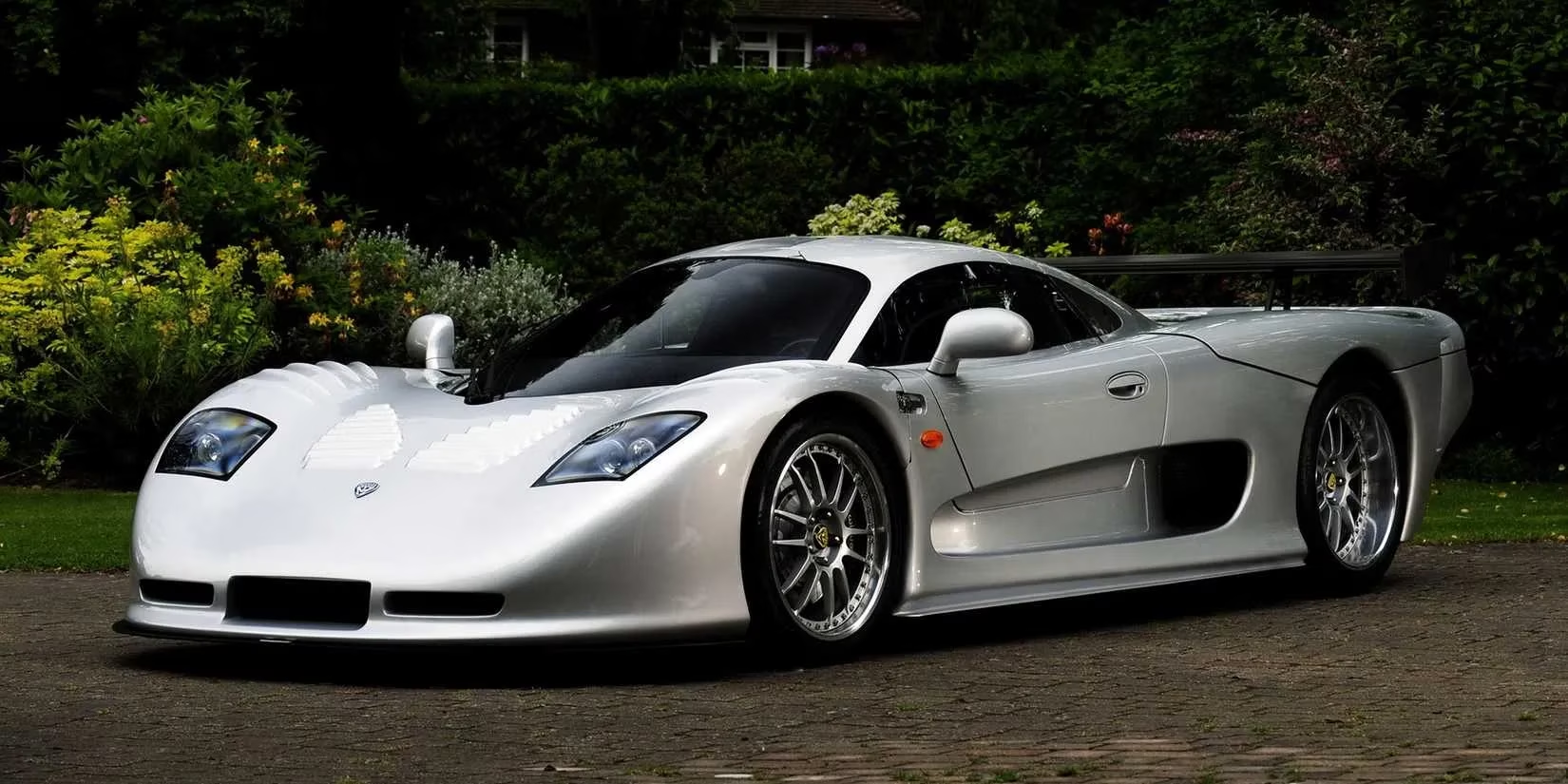
After the Consulier, Warren Mosler turned his attention to something far more spectacular. The Mosler MT900 arrived in 2001 with styling by Rod Trenne, who had worked on the C5 Corvette. It used the Corvette LS1 V8, and the later MT900S offered the 7.0-liter LS7 from the Corvette Z06, pushing power to a staggering 600 hp. The car lasted until 2011, spawning rare variants like the two-example MT900S Photon. A facelifted M900SGT was planned, but Mosler shut its doors before it could reach production. The MT900 was too wild for most supercar buyers, and the brand lacked the clout of Ferrari or Lamborghini. Only proper enthusiasts remember it now.
🏎️ SCG 004S: A Race Car for the Road
The SCG 004S is the most recent car on this list, a creation by former movie producer Jim Glickenhaus through Scuderia Cameron Glickenhaus. It is effectively a race car for the road, based on the 004C GT car. A supercharged General Motors LT4 V8 produces 650 hp and 531 lb-ft of torque. It seats three, with the driver in the center, like the McLaren F1. Production is extremely limited, and the Italian-sounding company name confuses people. You would be forgiven for not realizing it is American. Even most gearheads have never heard of it.
💨 SSC Ultimate Aero: Brief Speed Record, Lasting Obscurity
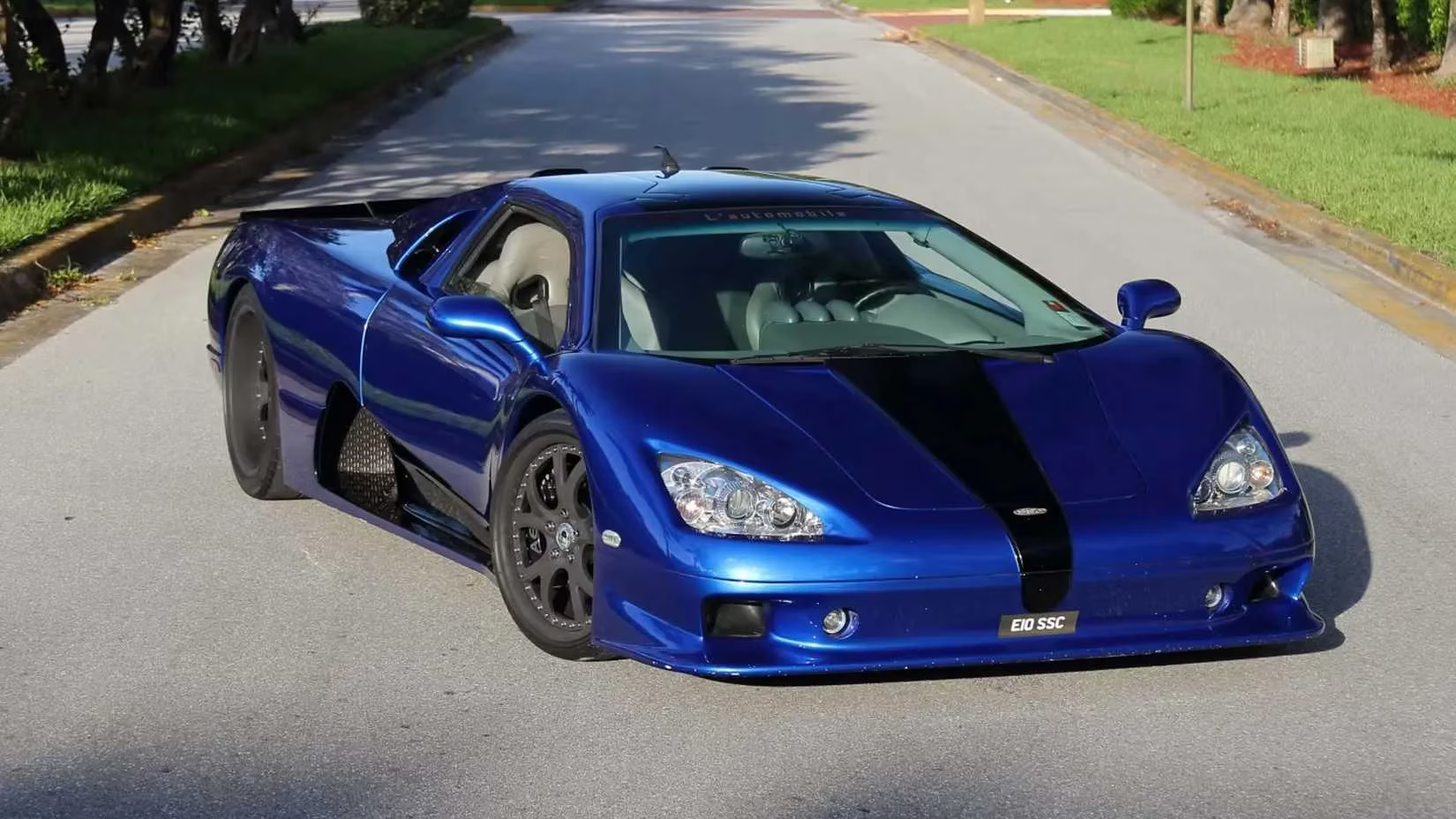
The SSC Ultimate Aero TT briefly became the fastest production car in the world. Its record did not stand, though, because not enough production cars were made to satisfy the rules. The Ultimate Aero came in several forms: the original with a supercharged General Motors V8, the twin-turbo TT, and the hardcore XT with a 6.9-liter twin-turbo V8. An EV version with two electric motors and 1,000 hp was planned, but it never went into production. The car made headlines, then faded. Today, it is a trivia answer more than a household name.
🇬🇧 Rossion Q1: British Bones, American Home
The Rossion Q1 may be American, but its backstory starts in England. It is a development of the Noble M400, created after Noble sold the rights to Rossion Automotive in 2007. Production began in 2008 and lasted a decade. The Q1 kept the M400 ethos: a twin-turbocharged Ford V6, a light body, an old-school six-speed manual, and no modern driver aids. That combination gives it impressive performance. It can hang with modern supercars on track, and for drivers who want a raw experience, it tops anything big manufacturers make. Yet few remember it.
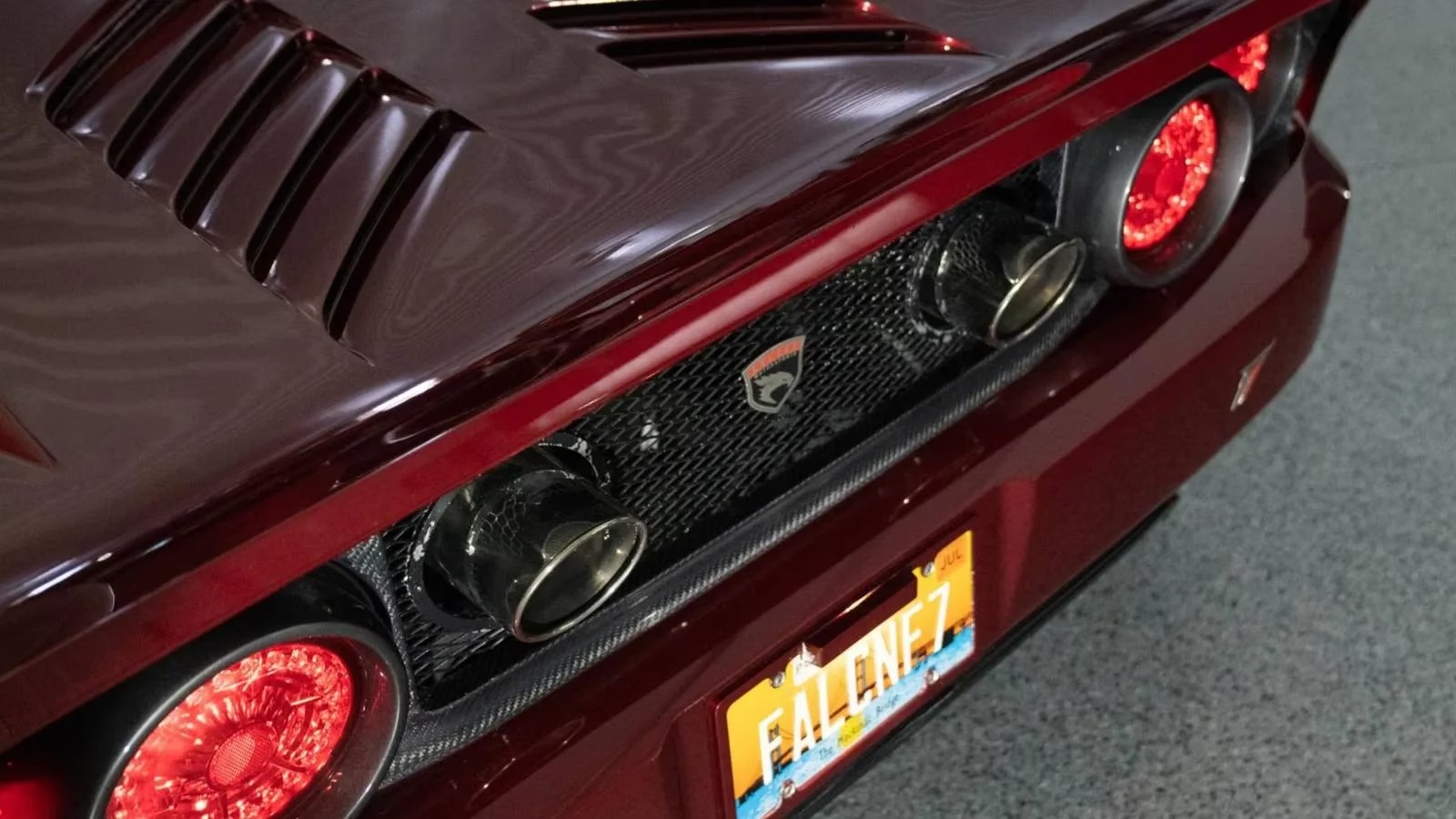
🦅 Falcon F7: The Rare Bird
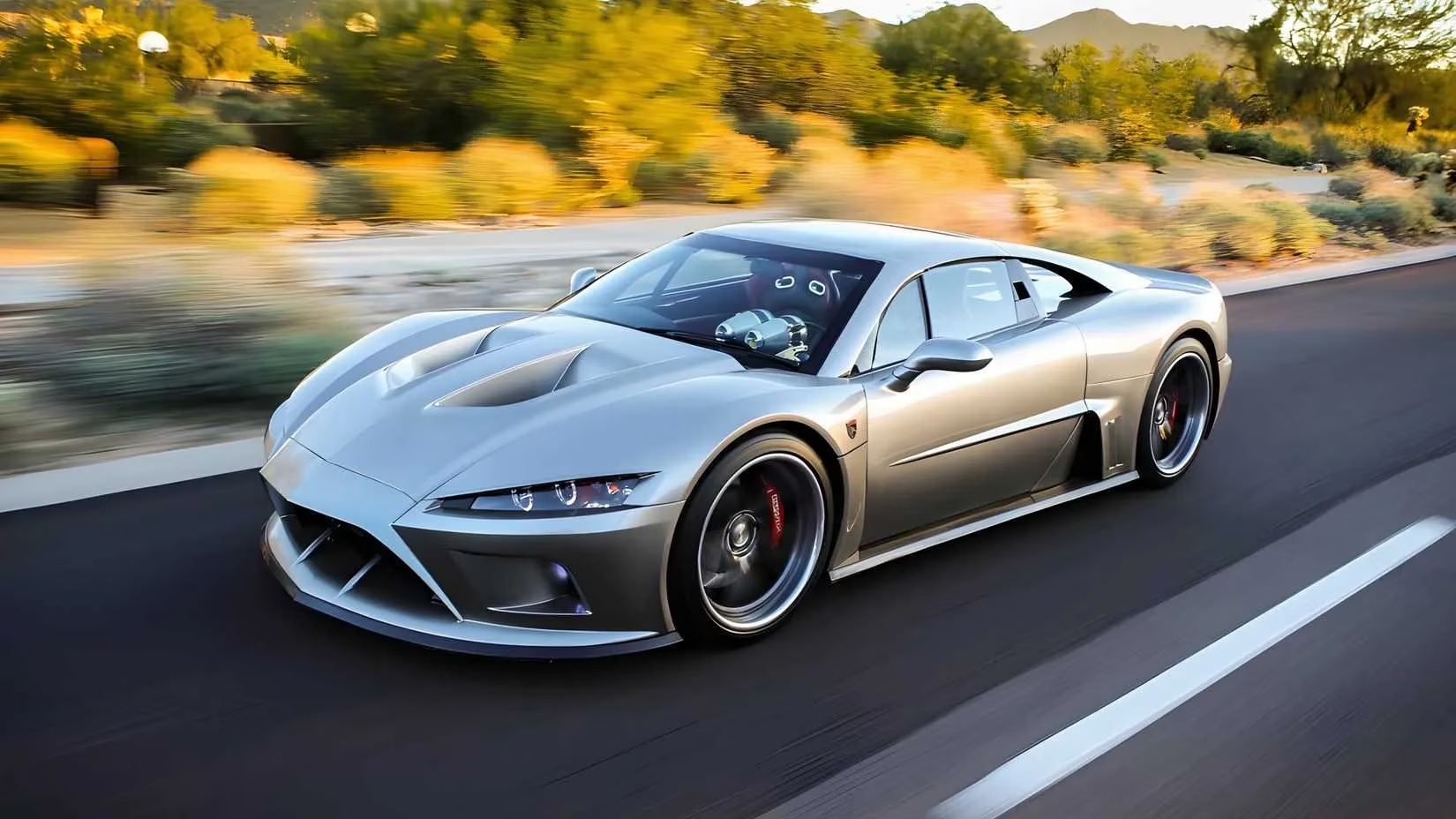
The Falcon F7 was designed with help from legendary Corvette tuners Lingenfelter and powered by the proven General Motors LS7 engine. It had striking looks and serious potential. But so few were made that seeing one in public is an event. At one point, the entire company went up for sale, including a fully functioning F7. The F7 could have been a sleeper hit, but it was not to be. It is now remembered only by enthusiasts who love the rarest and quirkiest sports cars.
🐍 VLF Force 1: Viper in a Tuxedo
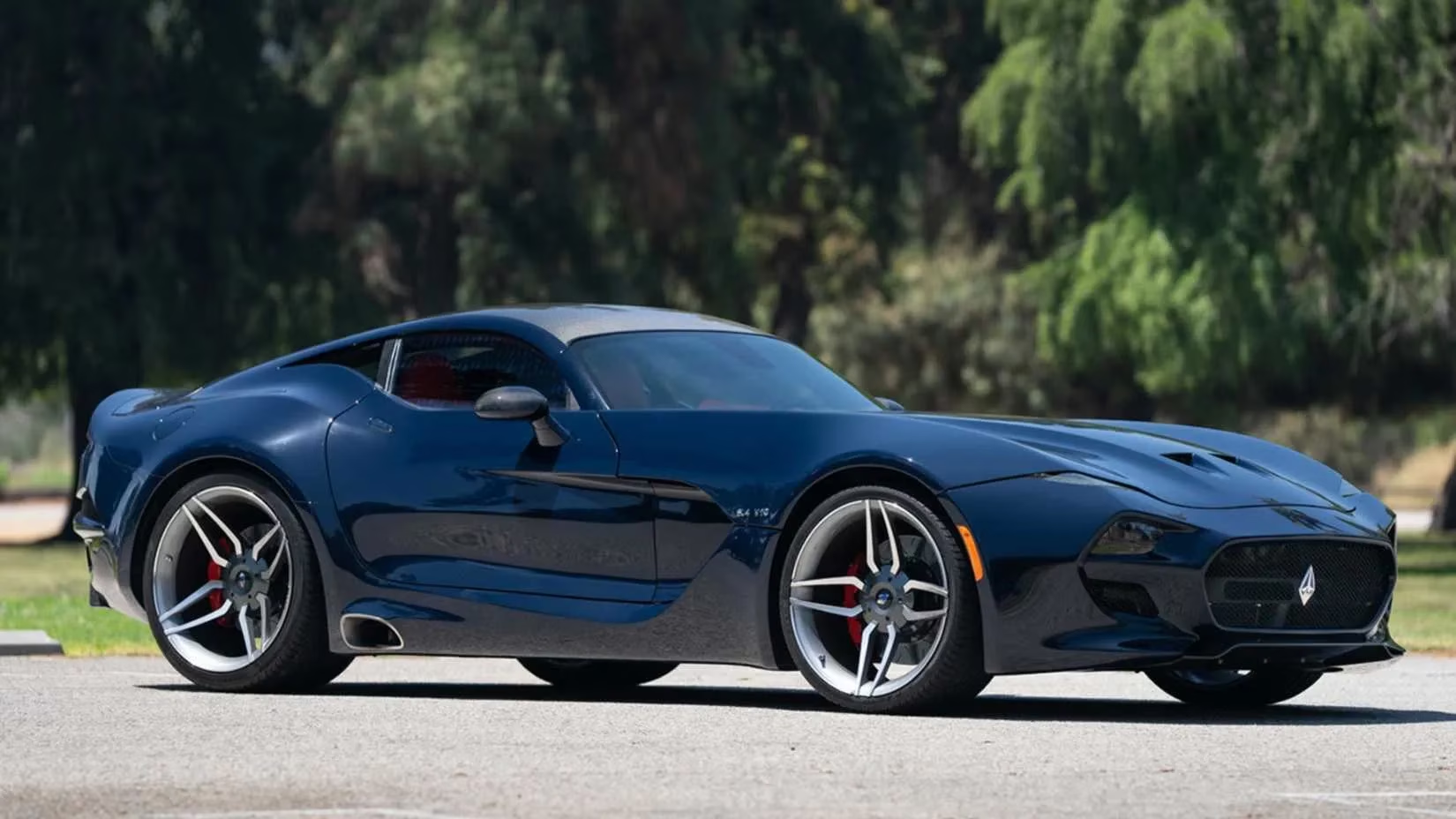
What happens when Henrik Fisker designs a Dodge Viper? The VLF Force 1 is the answer. It produced 745 hp and 638 lb-ft of torque from a monstrous Chrysler V10. Former GM boss Bob Lutz was also behind the project. With names like Fisker and Lutz, you might expect success. Instead, the Force 1 stayed a secret in the supercar world. Today, people think of Fisker's failed car company more often than they think of this Viper-based American supercar. It is a shame.
⚡ Vector W8 and M12: A Tale of Two Failures
The Vector W8 was conceived by eccentric inventor Jerry Wiegert as an all-American rival to Ferrari and Lamborghini. It had what was essentially a racing engine, listed at 625 hp. Some claimed that with maximum boost and racing fuel, it could produce over 1,000 hp. But the W8 became tangled in a highly publicized legal case involving tennis star Andre Agassi. Publications called it vaporware, and Wiegert was removed from the company. The Vector W8, a machine with a racing heart and a bruised reputation, now sits in the corner of history.
After Wiegert left, Vector was bought by Indonesian giant Megatech, which also owned Lamborghini. The result was the Vector M12. It had wild styling from Peter Stevens, but it used the Lamborghini Diablo's chassis, powertrain, and much of its interior. Autoweek called it the worst car it had ever tested. Only 17 were made before Vector collapsed. With that baggage, it is no surprise the M12 has been forgotten too.
🧭 Why These Cars Still Matter
| Car | Era | Claim to Fame |
|---|---|---|
| Saleen S7 | 2000s | 750 hp twin-turbo American supercar |
| Consulier GTP | Late 1980s | Lightweight giant-killer |
| Mosler MT900 | 2001–2011 | Corvette-powered exotic |
| SCG 004S | 2020s | Three-seat race car for the road |
| SSC Ultimate Aero | 2000s | Brief world speed record |
| Rossion Q1 | 2008–2018 | Old-school track weapon |
| Falcon F7 | 2010s | Ultra-rare LS7-powered exotic |
| VLF Force 1 | 2010s | Fisker-designed Viper |
| Vector W8/M12 | 1990s | Ambitious, troubled supercars |
In 2026, these cars are mostly confined to collector garages, online forums, and the memories of a few devoted fans. They are not the most famous American performance cars, but they are among the most interesting. They remind us that speed does not always guarantee fame, and that some of the best stories are told by the machines that almost made it. 🏁
Comments