
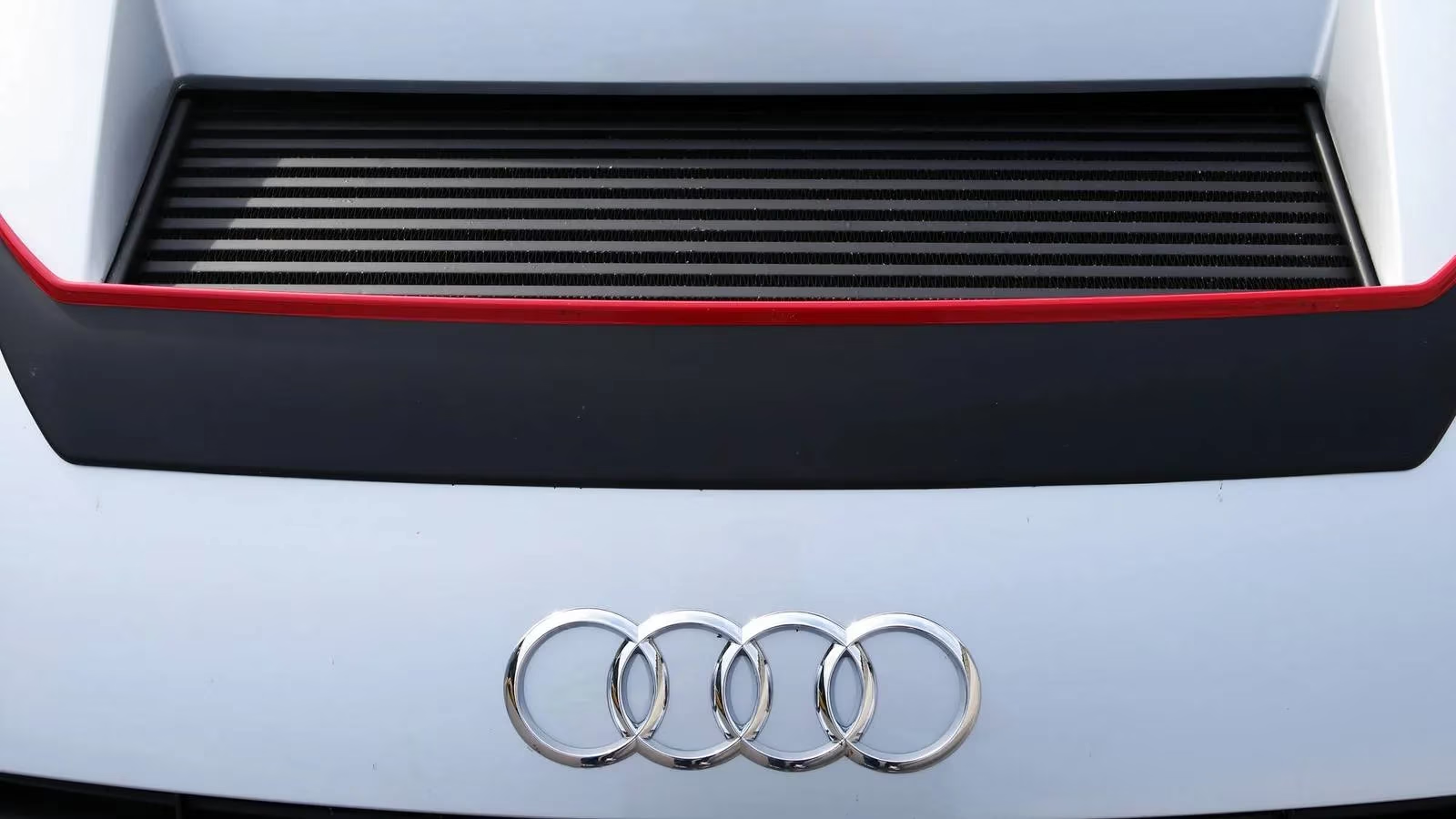
Few cars have managed to slice through the automotive landscape with the quiet confidence of the Audi TT. When it first appeared in 1998, the world was not entirely prepared for what it offered. Its shape was a soft rebellion against the sharp lines that dominated the era, a Bauhaus-inspired sculpture that seemed to have rolled straight out of a design studio concept and onto the road without apologies. Over the next two decades, the TT would carve out a loyal following, becoming a beloved fixture for drivers who valued something a little different, something that didn’t feel the need to shout about its capabilities. For a while, though, the TT lived in the long shadow of its bigger sibling, the R8, and as sports car sales dwindled, its future became clouded. By 2023, production had ceased, and it seemed the story was over. Yet here we are in 2026, and the rumor mill is spinning faster than ever, fueled by a series of cryptic teasers from Audi itself. The suggestion is tantalizing: a new-generation TT could be closer than anyone expected, and it might rewrite the rulebook entirely.
To understand why this matters so much, one has to look back at the original recipe. The first TT was not the fastest machine on paper, nor the most aggressive. What it possessed, however, was an uncanny ability to balance everyday usability with genuine driver engagement. The exterior was almost impossibly clean, with rounded arches and a taut profile that felt timeless from day one. Inside, Audi gifted it one of the sharpest, most driver-focused cabins of its class. The circular air vents, the flat-bottomed steering wheel, the brushed aluminum accents – it was a modernist masterpiece that made competitors feel instantly dated. Underneath, Quattro all-wheel drive provided tenacious grip, turning the TT into a car that could handle a wet back road with the same composure as a sunny canyon blast. It was style imbued with substance, and that combination is precisely what turned the TT into a cult favorite for enthusiasts who wanted individuality without the supercar price tag. That spirit never truly left, even as subsequent generations sharpened the edges and added more technology.
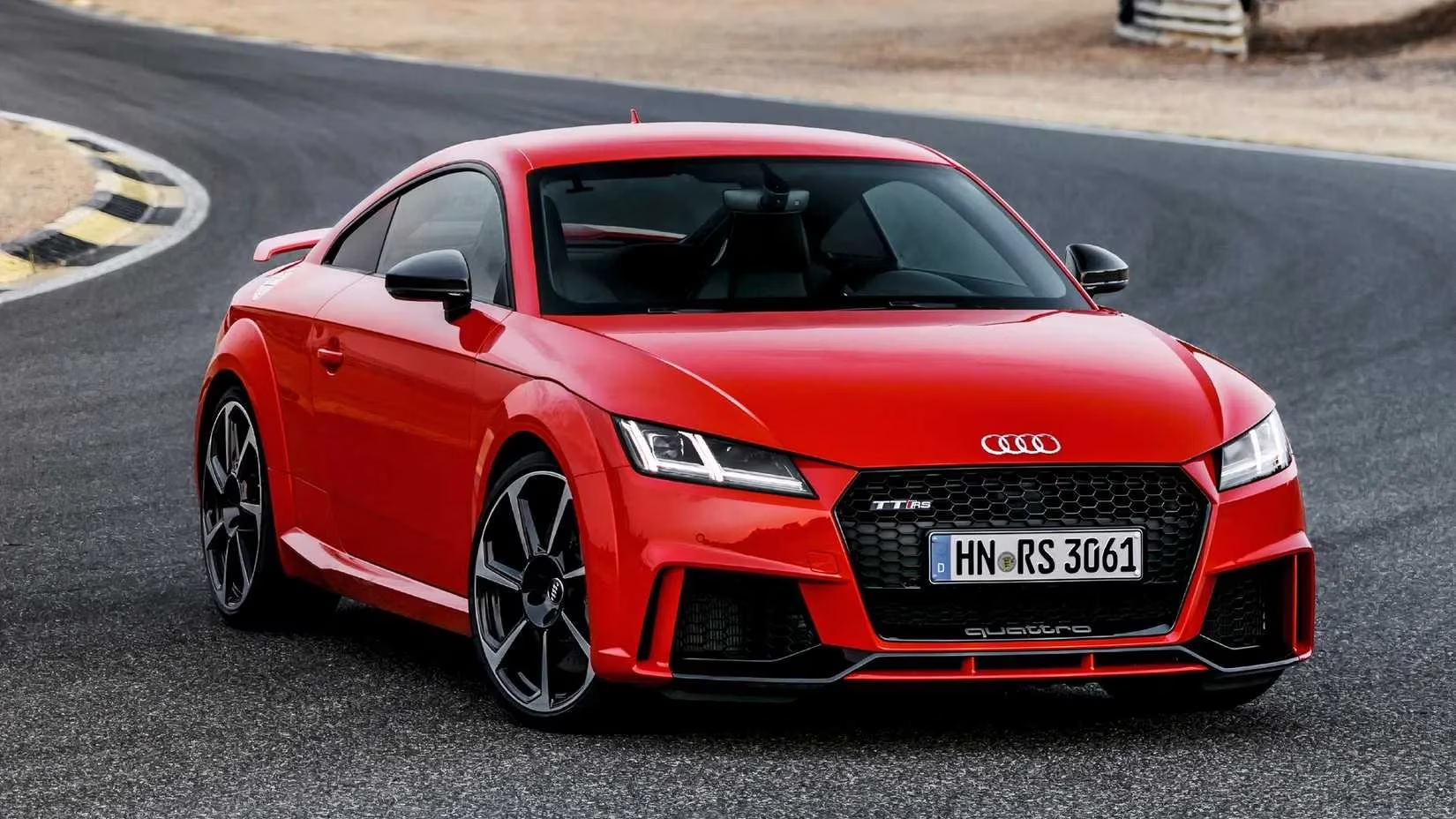
The automotive world of 2026 is a very different place. Crossovers and electric SUVs dominate sales charts, and purpose-built performance cars are becoming an endangered species. In this climate, any rumor of a dedicated sports coupe revival is bound to send ripples through the community. Audi’s recent activity on social media has done exactly that, transforming quiet speculation into a crescendo of anticipation. The first spark came from Instagram posts that hinted at a return without stating anything outright. The images played on nostalgia, showcasing the TT’s racing heritage and its unmistakable silhouette. Many saw this as more than just brand storytelling; it felt like a deliberate laying of the groundwork for a comeback. If Audi is serious about reviving the TT, the decision would fly in the face of industry trends. It would be a statement that compact, driver-focused performance still has a place – and that there is an audience hungry for something lighter and more visceral than the average mass-market EV.
Details about the new car remain firmly under wraps, but the shape of the rumor is beginning to form. Given the tightening emissions regulations and Audi’s aggressive electrification strategy, it is almost unthinkable that a new TT would launch with only an internal combustion engine. Most insiders point toward an electrified setup, either a performance-oriented hybrid system or a full battery-electric drivetrain. A plug-in hybrid could blend a turbocharged four-cylinder engine with an electric motor to deliver instantaneous torque and reduced emissions, while a fully electric TT would likely ride on a bespoke platform prioritizing low weight and a low center of gravity. Audi will not merely resuscitate the nameplate; it will push the performance envelope far beyond where the last TT left off. Sharp handling, a stiff chassis, and design cues that nod respectfully to the original rounded silhouette are expected. Imagine a car that channels the minimalist elegance of the 1998 icon while offering the zero-emission punch of a modern EV. A Cayman rival infused with Audi’s tech-forward edge does indeed sound like a perfect recipe.
Adding an extra layer of intrigue was a follow-up post from Audi that celebrated their racing icons, specifically praising a mid-engine layout that was “years ahead of its time.” This single sentence set forums and comment sections on fire. Could the new TT adopt a mid-engine configuration? That would be a radical departure from the front-engine, front- or all-wheel-drive architecture that defined all three previous generations. A mid-engine TT would fundamentally alter the car’s character, shifting the balance toward that of a dedicated sports car rather than a stylish grand tourer. Alternatively, some speculate that the mid-engine tease might point toward a new kind of R8, or even a fusion of the two concepts. The ambiguity is surely intentional on Audi’s part, designed to keep fans dissecting every word.
From a timing perspective, industry whispers in 2025 coalesced around a specific date: September 2. That was when many expected Audi to reveal its hand. Whether that unveiling was meant to be a production-ready reveal or merely a conceptual design study remained unclear, but the date was circled in red by followers worldwide. As 2026 unfolded, the September 2 revelation did not happen as a full-blown launch, but it did produce a concept that has since been touring private events. Reports from these gatherings suggest that while the vehicle shown was not yet street-legal, it bore a remarkable resemblance to a production intent. The concept featured a low-slung profile, a reinterpretation of the iconic fuel-filler cap design, and a cockpit that blended physical controls with augmented reality displays. Those who have seen it describe a cabin that feels like a natural evolution of the original TT’s driver-centric philosophy, now infused with sustainably sourced materials and a distinct lack of unnecessary screens. Patience is now required, but the glimpses we have received over the past year paint a picture of a car that Audi is taking very seriously.
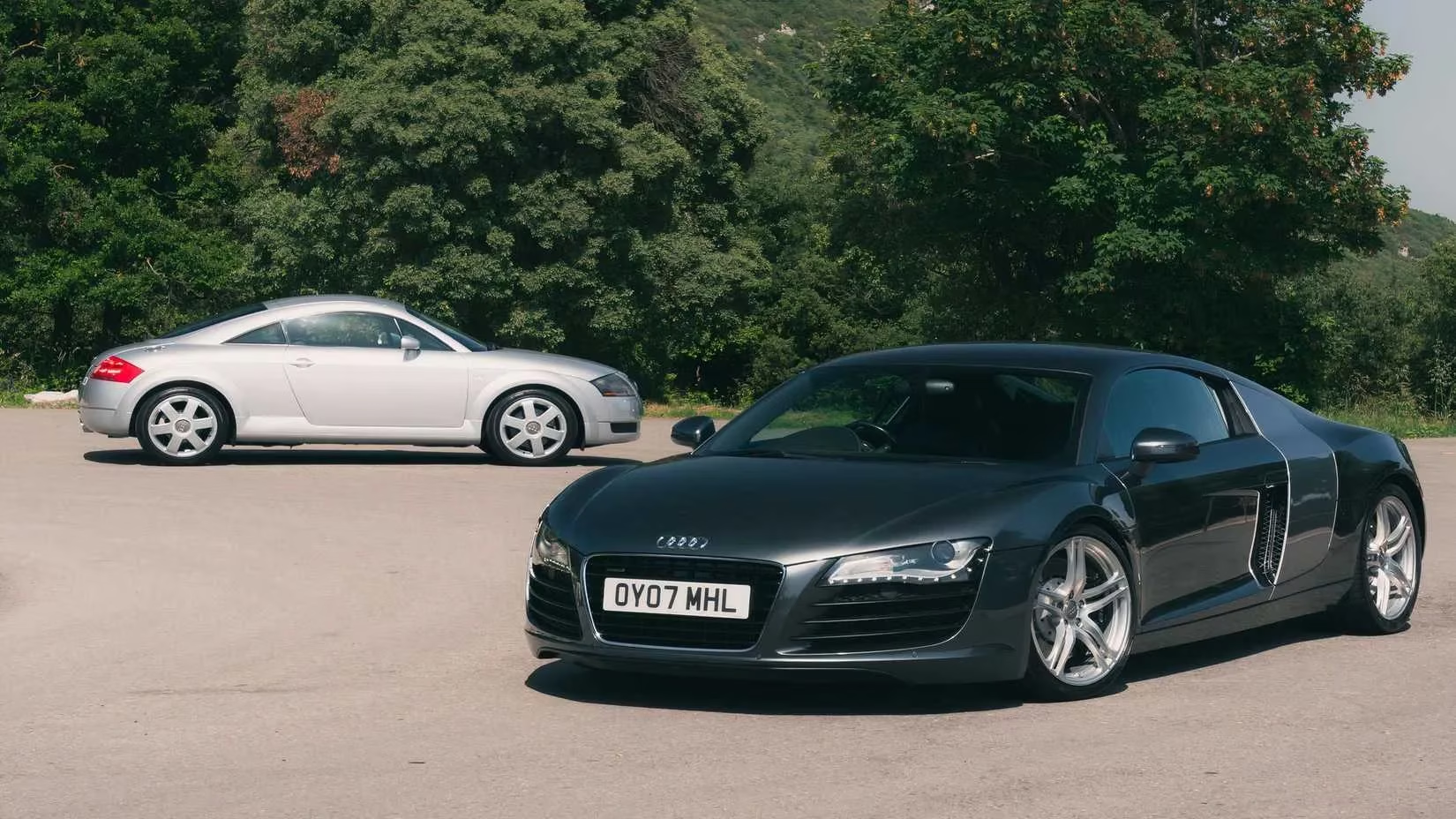
This moment carries a weight that extends beyond a single nameplate. Sports cars like the TT are becoming rare treasures, machines that prioritize the joy of driving over sheer practicality or outright speed. Their decline has been mourned by enthusiasts who fear a future of silent, autonomous pods. The TT revival, in whatever form it takes, would serve as a powerful reminder that fun, lightweight, and beautiful performance cars can still find a home in a rapidly changing world. It would reconnect a new generation of drivers with the thrill of grabbing the keys just for the sake of a late-night drive on a winding road. The original TT was never about winning drag races; it was about heritage, design integrity, and a handling balance that made every journey feel special. If Audi manages to capture that spirit again while embracing modern propulsion, the result could be more than just a successful product. It could be a lighthouse moment for an industry sometimes skeptical of its own enthusiast roots. The hope is that Audi still believes in that romantic, slightly rebellious spirit, and that soon, a new TT will prove that the compact sports coupe is far from dead. It is merely waiting for its next act.
Comments